The Hidden Goldmine Inside Your Google Drive
While most people view spreadsheets as a tedious administrative chore, a quiet group of ‘Sheet-preneurs’ is turning simple .gsheet files into recurring revenue streams that rival mid-level management salaries. Here is the bold truth: you don’t need to build a complex software-as-a-service (SaaS) platform to earn passive income when you can solve a specific business problem with a few well-placed formulas. In fact, some of the highest-converting digital products on the market today are not e-books or courses, but functional utility tools that save business owners time.
📹 Watch the video above to learn more!
The beauty of this method lies in its simplicity and the low barrier to entry. You aren’t selling a ‘how-to’ guide; you are selling a ‘done-for-you’ logic system that provides immediate ROI for the buyer. Whether it is a real estate lead tracker or a complex inventory management system for Etsy sellers, these digital assets work while you sleep. Let me show you how to stop treating spreadsheets as documents and start treating them as high-margin products.
What is the Sheet-preneur Strategy?
At its core, this strategy involves identifying a niche business process that is currently being managed poorly—or not at all—and building a structured Google Sheet to automate it. This isn’t just a table with some data; it is a Micro-SaaS built on the back of Google’s infrastructure. By using advanced functions like QUERY, VLOOKUP, and even basic Google Apps Script, you create a tool that feels like a standalone application.
Why do people buy these instead of using a free template? It comes down to specificity. A generic budget tracker is worth zero dollars because it is everywhere. However, a ‘Construction Project Profitability Calculator with Automated Client Invoicing’ is a specialized tool that a contractor will gladly pay $49 to $99 for because it saves them five hours of manual work every week. You are selling time, not cells.
The Psychology of the Spreadsheet Buyer
Business owners are often overwhelmed by complex software like Salesforce or Monday.com. They want something familiar, lightweight, and customizable. Since almost everyone knows how to open a Google Sheet, there is no ‘learning curve’ friction. This familiarity is your greatest competitive advantage over traditional software developers.
Why It Works: The Micro-SaaS Gap
There is a massive gap between ‘doing it manually’ and ‘buying expensive software.’ Many small businesses operate in this middle ground. They can’t justify $200 a month for a specialized CRM, but they are tired of losing track of their data. Your automated sheet fills this gap perfectly. It is a one-time purchase that provides professional-grade organization without the recurring subscription fatigue.
Furthermore, Google Sheets allows for incredible collaboration features. When you sell a template, your customer can immediately share it with their team, making your product an integral part of their daily operations. This level of utility creates high perceived value and leads to organic word-of-mouth referrals within niche communities.
Zero Overhead and Instant Delivery
The best part? Your cost of goods sold is exactly zero. Once the logic is built, you can sell ten thousand copies without any additional work. Using platforms like Gumroad or Etsy, the delivery process is entirely automated. The customer pays, receives a PDF with a ‘Make a Copy’ link, and you receive a notification of a sale while you’re out for lunch.
How to Get Started in 5 Actionable Steps
- Identify a High-Pain Niche: Don’t make a general planner. Look for industries with messy data: property managers, small-scale manufacturers, or social media agency owners. Browse Reddit forums like r/smallbusiness to see what processes people are struggling to track.
- Build the Logic Core: Start by creating the functional engine of your sheet. Focus on the inputs (what the user types) and the outputs (the charts, summaries, and automated reports). Use Conditional Formatting to make the sheet look like a professional dashboard rather than a gray grid.
- Automate with Apps Script: Spend an afternoon learning the basics of Google Apps Script to add ‘magic’ buttons. A button that automatically generates a PDF invoice or sends a reminder email turns a simple sheet into a powerful tool. This is where you can justify a higher price point.
- Create a ‘Protection’ Layer: Before selling, protect your formulas. Use the ‘Protect Sheet’ feature so users can’t accidentally delete your hard work. This ensures a smooth user experience and reduces the number of support emails you’ll receive.
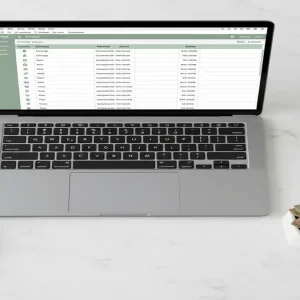
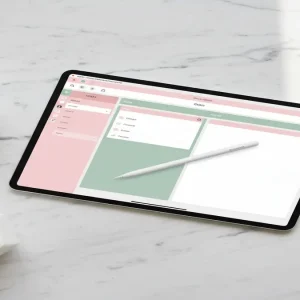
- Set Up an Automated Storefront: List your product on Gumroad or Etsy. Create high-quality mockups showing the dashboard on a laptop screen. Use a video walkthrough in your listing to show exactly how the automation works. This builds trust and proves the value immediately.
Realistic Earnings and Timelines
You won’t get rich overnight, but the scaling potential is significant. Most successful sheet-preneurs price their specialized tools between $25 and $150 per license. If you focus on a specific niche, you can realistically expect to earn your first dollar within 14 days of launching your first product.
A well-optimized store with 3-5 high-quality templates typically generates between $500 and $4,500 per month in passive income. The timeline to hit the $4,000 mark usually takes about 4 to 6 months of consistent niche marketing and template refinement. Remember, you only need to sell 80 units of a $50 product to hit that $4,000 goal.
Required Tools and Resources
- Google Workspace: Your primary development environment (Free).
- Loom: For creating video tutorials and marketing demos.
- Gumroad or Etsy: For payment processing and automated file delivery.
- Canva: To design professional-looking thumbnails and PDF instructions.
- ChatGPT: To help write complex formulas or Apps Script code snippets.
Common Mistakes to Avoid
Overcomplicating the User Interface
If your sheet requires a 50-page manual to understand, nobody will use it. Keep the data entry simple. Use drop-down menus (Data Validation) whenever possible to prevent user error. A clean, intuitive design is more important than having a hundred features.
Ignoring Mobile Compatibility
Many business owners check their data on the go. Ensure your dashboard is readable on the Google Sheets mobile app. If your sheet breaks on a smartphone, you will see a high refund rate. Test your layouts on multiple devices before going live.
Failing to Collect Feedback
Your first version won’t be perfect. Offer your first 10 copies at a discount in exchange for honest feedback. Use these insights to fix bugs and add the features your customers actually want. This iterative process is what separates the $50 earners from the $5,000 earners.
Your Next Move
The market for specialized utility tools is exploding, and the ‘Sheet-preneur’ model is the most accessible way to claim your piece of the digital economy. Stop thinking about spreadsheets as a job requirement and start seeing them as the foundation of your new business. Your immediate next step is to open a blank Google Sheet and list three repetitive tasks you’ve done this week that could be automated for someone else.