While the internet obsesses over complex AI agents, a quiet group of creators is pocketing full-time incomes from the most boring product imaginable. They are selling customized Google Sheets. You do not need to be a software engineer or a marketing genius to tap into this hidden digital goldmine. In fact, the simpler and more functional your product is, the faster it flies off the virtual shelves.
📹 Watch the video above to learn more!
The Hidden Economy of Niche Spreadsheets
Here is exactly what this micro-business model entails. We are not talking about creating generic, dime-a-dozen monthly budget trackers or basic grocery lists. The market for those is entirely saturated. Instead, this strategy revolves around building highly specialized, plug-and-play spreadsheet systems designed for hyper-specific professionals.
Think of a Tax Tracker for Traveling Nurses or an Inventory System for Sneaker Resellers. These are micro-software solutions built entirely inside a free tool. You are essentially taking a chaotic, frustrating business process and organizing it into a clean, automated Google Sheet.
When you build a highly specific tool, you stop competing with millions of other generic templates. You become the only logical solution for that specific professional. The best part? You build the digital asset once, and it can be sold an infinite number of times without any additional overhead or shipping costs.
Why Boring Spreadsheets Outsell Fancy Software
Why pay for a spreadsheet when thousands of sleek apps exist? Here is the thing: small business owners are completely exhausted by monthly recurring subscriptions. They are tired of paying $39 a month for a bloated CRM software when they only use ten percent of its features.
The Power of the One-Time Purchase
A custom Google Sheet is a one-time $15 to $45 purchase that solves a massive headache instantly. There are no recurring fees, no mandatory software updates, and no steep learning curves. Almost everyone already knows how to navigate a basic spreadsheet.
Total Ownership and Customization
When a customer buys your spreadsheet, they own it forever. They can tweak the colors, add their own columns, and modify the formulas to fit their exact workflow. You are giving them a flexible foundation that feels infinitely more personal than a rigid SaaS platform. This flexibility is exactly what drives glowing five-star reviews and incredible word-of-mouth marketing.
Your Step-by-Step Launch Blueprint
Ready to build your first digital asset? Here is the exact roadmap to go from a blank screen to your first automated sale.
Step 1: Hunt for Administrative Pain Points
Do not start by opening Google Sheets. Start by opening Reddit, Facebook Groups, or industry forums. Look for niche communities where people complain about their daily administrative tasks. Search for phrases like “how do you track” or “is there an easier way to manage.” If you see wedding photographers complaining about tracking client payment schedules, you have found your first product idea.
Step 2: Build the Ugly First Draft
Open a fresh Google Sheet and map out the absolute basic workflow. Do not worry about making it look pretty yet. Focus entirely on the core functionality. What data needs to be entered? What calculations need to happen automatically? Create the raw skeleton of your system.
Step 3: Engineer the Aha! Moment
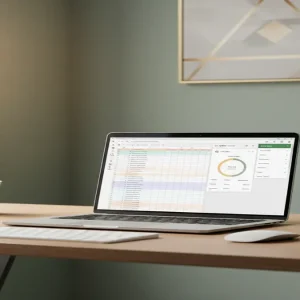
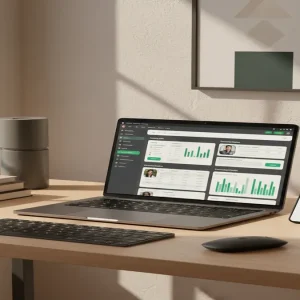
This is where you elevate your product from a basic grid to a premium tool. Add a beautiful dashboard on the very first tab. Use a few simple formulas, like SUMIFS and VLOOKUP, to automatically pull data from other tabs into visual charts. When your customer enters their data, they should immediately see colorful graphs updating in real-time. That visual feedback is what justifies a premium price tag.
Step 4: Package with a Foolproof Guide
The biggest reason digital products fail is poor onboarding. You must assume your customer has never used a spreadsheet before. Record a five-minute screen-share video walking them through exactly how to make a copy of the sheet and how to input their first piece of data. Link this video directly in the first tab of your spreadsheet.
Step 5: Launch on High-Traffic Marketplaces
You do not need to build your own website or drive your own traffic initially. List your product on established platforms that already have millions of buyers searching for solutions. Create clean, professional listing images that show off your dashboard and clearly state the specific problem your sheet solves.
Realistic Numbers: What Can You Actually Make?
Let us talk about realistic earning potential. This is not a get-rich-quick scheme, but the math scales beautifully. If you price your highly-niche template at $25 and sell just two copies a day, that is $1,500 a month in pure, passive profit.
Creators typically see a monthly earning potential between $500 and $4,000 with a portfolio of five to ten quality templates. Your initial financial investment is exactly $0. You only need to invest your time. A beginner with basic spreadsheet skills can expect to earn their first dollar within two to three weeks of consistent effort and strategic listing.
Your Digital Toolkit
You do not need an expensive tech stack to run this micro-business. Here are the exact tools you need to get started today:
- Google Sheets: Your completely free product creation engine.
- Etsy: The best marketplace for organic search traffic and beginner sellers.
- Gumroad: An excellent alternative platform for selling digital downloads directly to an audience.
- Canva: Essential for designing professional, click-worthy product listing images.
- Loom: The perfect free tool for recording your step-by-step customer tutorial videos.
The Traps: Common Mistakes to Avoid
Before you rush off to build your first product, make sure you avoid these common beginner pitfalls that kill sales.
Going Way Too Broad
Creating a Small Business Finance Tracker is a death sentence. You will drown in a sea of competition. Instead, create a Finance Tracker for Mobile Dog Groomers. The riches are truly in the micro-niches.
Overcomplicating the Formulas
Do not build a system so complex that it breaks when a user accidentally deletes a row. Protect your formula cells and keep the user inputs as simple and foolproof as possible.
Ignoring the Aesthetics
People buy with their eyes first. If your spreadsheet looks like a boring corporate tax form from 1995, nobody will pay $25 for it. Use plenty of white space, a modern color palette, and clean fonts to make the experience enjoyable.
Ready to Build Your Digital Real Estate?
Selling niche Google Sheets is one of the lowest-risk, highest-reward digital businesses you can start this year. You are simply taking your ability to organize information and packaging it into an asset that works for you every single day.
Your next step is simple. Spend twenty minutes today browsing niche Facebook groups or Reddit communities. Find one specific administrative problem that people are complaining about, and start sketching out a spreadsheet solution. Stop trading your time for an hourly wage, and start building digital products that sell themselves.