Introduction: Navigating the Remote Work Revolution
The global workforce has undergone a seismic shift over the last few years. What was once a luxury or a temporary necessity has become the standard for millions: remote work. However, transitioning from a structured office environment to a home office (or a kitchen table) comes with its own set of unique challenges. While the lack of a commute is a blessing, the blur between personal and professional life can lead to burnout, distraction, and a dip in efficiency.
Achieving peak remote work productivity isn’t just about working more hours; it’s about working smarter. In this comprehensive guide, we will explore the essential strategies, digital tools, and mental frameworks you need to master your workflow in 2024. Whether you are a seasoned digital nomad or a new WFH employee, these insights will help you reclaim your time and produce your best work.
1. Designing Your Environment for Success
Your physical surroundings play a massive role in your cognitive performance. You cannot expect to maintain high levels of focus if you are working in a cluttered or uncomfortable space.
The Power of a Dedicated Workspace
If possible, avoid working from your bed or your couch. These areas are psychologically associated with relaxation and sleep. By creating a dedicated workspace, you trigger a “work mode” in your brain as soon as you sit down. Even if you live in a small apartment, a specific corner of a room can serve as your professional hub.
Ergonomics and Physical Health
Investment in a high-quality chair and an adjustable desk is not a luxury; it is a necessity for long-term health. [Internal Link Suggestion: See our guide on the best ergonomic office furniture for 2024]. Ensure your monitor is at eye level to prevent neck strain and that your wrists are supported while typing. Proper lighting—ideally natural light—can also reduce eye fatigue and boost your mood.
2. Master Time Management Techniques
Without the natural rhythms of an office (meetings, coffee breaks, colleagues walking by), time can either slip away or stretch into the late evening. Structured time management is the backbone of remote work productivity.
The Pomodoro Technique
This classic method involves working for 25 minutes followed by a 5-minute break. After four cycles, take a longer break of 15-30 minutes. This prevents mental fatigue and keeps you focused on the task at hand rather than getting lost in the “infinite scroll” of social media.
Time Blocking and Deep Work
Time blocking involves scheduling specific blocks of time for specific tasks. For example, you might block 9:00 AM to 11:00 AM for “Deep Work”—tasks that require intense concentration, such as writing or coding. During this time, all notifications should be turned off. Use the afternoon for “Shallow Work” like emails and administrative tasks.
- Eat the Frog: Tackle your hardest, most important task first thing in the morning.
- Batching: Group similar tasks (like responding to emails) together to reduce context-switching costs.
- Set Hard Boundaries: Decide when your workday ends and stick to it to avoid “work creep.”
3. Essential Tools for the Modern Remote Worker
In 2024, the right software stack can make or break your productivity. Here are the categories of tools you should consider integrating into your workflow:
Communication and Collaboration
Effective communication is the lifeblood of a remote team. Tools like Slack and Microsoft Teams allow for real-time interaction, while Zoom and Google Meet handle video conferencing. However, be wary of “meeting fatigue.” Always ask: “Could this meeting have been an email or an asynchronous Loom video?”
Project Management
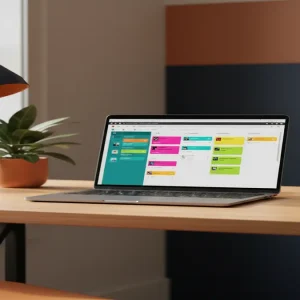
Keeping track of deadlines and deliverables is crucial. Platforms like Asana, Trello, and Monday.com provide visual representations of your projects, making it easy to see what needs to be done and who is responsible for each task.
Focus and Note-Taking
To keep your thoughts organized, tools like Notion or Obsidian are invaluable. For blocking distractions, apps like Freedom or Forest can prevent you from accessing distracting websites during your deep work blocks.
4. Overcoming Remote Work Distractions
Distractions at home are different from those in the office. Laundry, pets, family members, and the lure of the refrigerator are constant temptations. Here is how to handle them:
- Communicate Your Schedule: If you live with others, make sure they know your “deep work” hours. A closed door or a sign can signal that you are not to be disturbed.
- Limit Social Media: Put your phone in another room or use app blockers. The “just checking for a minute” habit can easily waste an hour of productive time.
- The Two-Minute Rule: If a household task (like putting a dish in the dishwasher) takes less than two minutes, do it during a scheduled break, not in the middle of a work task.
5. Prioritizing Mental Health and Wellbeing
You cannot be productive if you are burnt out. Isolation is a real risk for remote workers. Maintaining your mental health is directly linked to your professional output.
The Importance of Physical Movement
Don’t stay sedentary all day. Use your lunch break to go for a walk, stretch, or do a quick workout. Physical activity increases blood flow to the brain, which improves creativity and problem-solving skills.
Social Interaction
Make an effort to connect with colleagues on a non-work level. Virtual coffee chats or occasional co-working days at a local café can help alleviate the feelings of loneliness that sometimes accompany remote work.
6. Conclusion: Building a Sustainable Workflow
Remote work productivity is a marathon, not a sprint. It requires constant adjustment and self-awareness. What works for one person may not work for another, so it is important to experiment with different schedules and tools to find your perfect fit.
By designing a functional workspace, mastering your calendar, leveraging the right technology, and prioritizing your wellbeing, you can thrive in a remote environment. Remember, the goal isn’t just to be “busy”—it’s to be effective and to enjoy the freedom that remote work provides.
Are you ready to take your remote work game to the next level? [Internal Link Suggestion: Check out our latest post on the top 10 remote job boards for 2024] to find your next great opportunity!