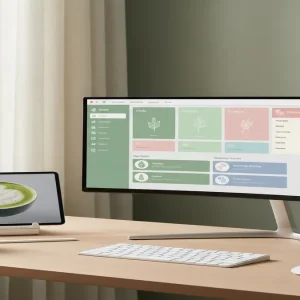
Introduction: The New Era of Work
The global shift toward remote work is no longer just a trend; it has become a fundamental shift in how the world operates. While the flexibility of working from home offers incredible benefits—like no commute and a customizable environment—it also presents unique challenges. Maintaining remote work productivity requires more than just a laptop and a Wi-Fi connection; it demands discipline, the right tools, and a strategic approach to time management.
Whether you are a seasoned freelancer or a corporate employee transitioning to a home office, staying focused in an environment filled with domestic distractions can be difficult. In this comprehensive guide, we will explore the best practices, essential tools, and mental strategies to help you excel in your remote career.
1. Creating a Dedicated Workspace
One of the biggest enemies of remote work productivity is the lack of physical boundaries. Working from your bed or the couch might seem appealing, but it often leads to physical discomfort and mental sluggishness.
Choosing the Right Environment
Ideally, your workspace should be a separate room with a door. This creates a physical barrier that signals to your brain—and your family or roommates—that you are “at work.” If you don’t have a spare room, designate a specific corner of a room solely for work. Avoid areas associated with relaxation, such as the bedroom, to keep your sleep hygiene intact.
Prioritizing Ergonomics
Investing in your physical health is a direct investment in your productivity. Consider the following ergonomic essentials:
- Adjustable Chair: Look for a chair that supports the natural curve of your spine.
- Monitor Height: Your screen should be at eye level to prevent neck strain.
- Lighting: Position your desk near natural light to boost your mood and reduce eye fatigue.
2. Mastering Time Management Techniques
Without a manager looking over your shoulder, it is easy to lose track of time. Successful remote workers use specific frameworks to stay on task.
The Pomodoro Technique
The Pomodoro Technique involves working in focused 25-minute sprints followed by a 5-minute break. After four cycles, take a longer break of 15-30 minutes. This prevents burnout and keeps your mind sharp throughout the day.
Time Blocking
Time blocking is the practice of scheduling every minute of your day in advance. By assigning specific tasks to specific time slots, you eliminate the “what should I do next?” paralysis. For example, block 9:00 AM to 10:00 AM for “Deep Work” and 1:00 PM to 1:30 PM for “Email Management.”
Eating the Frog
Based on the famous Mark Twain quote, “Eat the Frog” means tackling your most difficult or important task first thing in the morning. Once the most daunting task is out of the way, the rest of the day feels significantly more manageable.
3. Essential Tools for Remote Success
Technology is the backbone of remote work. To stay productive, you need a robust stack of software tools designed for collaboration and organization.
Communication Tools
Clear communication is vital when you aren’t in the same room as your team. Platforms like Slack or Microsoft Teams allow for real-time messaging, while Zoom or Google Meet are essential for face-to-face video conferencing.
Project Management Software
Keeping track of deadlines and deliverables is easier with project management tools. (Learn more about choosing the right project management software). Popular options include:
- Asana: Great for task tracking and workflow automation.
- Trello: A visual, Kanban-style board for managing projects.
- Monday.com: Highly customizable for complex team structures.
Focus and Distraction Blockers
If you find yourself scrolling through social media, tools like Freedom or Cold Turkey can block distracting websites and apps during your work hours.
4. Establishing Professional Boundaries
When your home is your office, the line between personal and professional life can blur. This often leads to “work creep,” where you find yourself answering emails at 9:00 PM.
Set Regular Working Hours
Consistency is key. Decide on your start and end times and stick to them. Communicate these hours to your colleagues and clients so they know when you are—and aren’t—available.
The “Commute” Ritual
One benefit of an office job is the commute, which acts as a mental buffer. You can replicate this by creating a morning and evening ritual. A 15-minute walk, a coffee routine, or even just changing out of your pajamas can signal to your brain that the workday has begun.
5. Overcoming Common Remote Work Challenges
Even with the best setup, challenges will arise. Recognizing them early is the first step toward overcoming them.
Dealing with Isolation
Remote work can be lonely. To combat isolation, make an effort to schedule social interactions. This could be a virtual coffee chat with a colleague or working from a local coffee shop or co-working space once a week.
Managing Household Distractions
If you share a home, set clear expectations with those you live with. Use a visual cue, like a closed door or wearing noise-canceling headphones, to indicate that you should not be interrupted unless there is an emergency.
Conclusion: Finding Your Flow
Maximizing remote work productivity is a continuous process of trial and error. What works for one person may not work for another. The key is to remain intentional about your environment, your schedule, and your tools. By implementing these strategies, you can enjoy the freedom of remote work without sacrificing your professional output.
Remember to prioritize your mental health, take regular breaks, and celebrate your wins. For more tips on career growth, check out our guide on developing digital skills for the future.