Introduction: The New Era of the Home Office
In recent years, the global professional landscape has undergone a seismic shift. Remote work, once a luxury for freelancers or a perk for a select few tech employees, has become a standard operating procedure for millions. While the flexibility of working from home offers incredible benefits—no commute, more time with family, and a personalized environment—it also presents a unique set of challenges. Maintaining high levels of remote work productivity requires more than just a laptop and a Wi-Fi connection; it demands discipline, the right tools, and a strategic approach to time management.
If you have ever found yourself distracted by household chores, struggling to disconnect at the end of the day, or feeling isolated from your team, you are not alone. This comprehensive guide will walk you through the essential strategies to master your workflow, optimize your environment, and maintain a healthy work-life balance while working remotely.
1. Crafting Your Ideal Remote Workspace
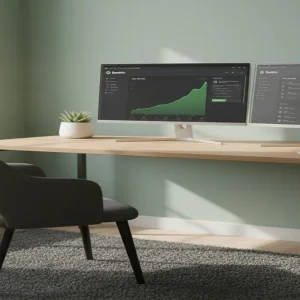
Your physical environment plays a crucial role in how your brain processes tasks. Working from your bed or the couch might seem comfortable initially, but it often leads to physical discomfort and mental sluggishness. To boost your remote work productivity, you need a dedicated space that signals to your brain: “It’s time to work.”
The Importance of Ergonomics
Investing in an ergonomic setup is not just about comfort; it is about long-term health and sustained energy. Consider the following:
- Chair Support: Use a chair that supports the natural curve of your spine.
- Monitor Height: Your screen should be at eye level to prevent neck strain.
- Lighting: Position your desk near natural light if possible, but use adjustable lamps to avoid glare on your screen.
[Internal Link: Explore our guide on the best ergonomic office furniture for 2024]
Minimizing Distractions
Distractions are the primary enemy of productivity. If you live with others, establish clear boundaries. A closed door or a “do not disturb” sign can work wonders. Furthermore, keep your workspace clean. A cluttered desk often leads to a cluttered mind.
2. Mastering Time Management and Routine
Without the structure of a traditional office, it is easy for the hours to slip away. Successful remote workers rely on rigorous routines and proven time-management frameworks.
The Power of a Morning Routine
How you start your day sets the tone for your productivity. Avoid the temptation to roll out of bed and immediately open your laptop. Instead, create a ritual that signals the start of the workday. This could include:
- Getting dressed (as if you were going to an office).
- A 10-minute meditation or light stretching.
- Reviewing your top three goals for the day.
Time-Blocking and the Pomodoro Technique
One of the most effective ways to manage a heavy workload is time-blocking. This involves scheduling specific blocks of time for specific tasks. For instance, dedicate 9:00 AM to 10:30 AM exclusively to deep work, such as writing or coding, and leave administrative tasks for later in the afternoon.
The Pomodoro Technique is another fan favorite. Work for 25 minutes, then take a 5-minute break. After four cycles, take a longer 15-30 minute break. This keeps your mind fresh and prevents the burnout that comes from staring at a screen for hours on end.
3. Essential Tools for Remote Success
In the digital age, your software stack is your lifeline. To maintain remote work productivity, you need tools that facilitate communication, project management, and focus.
Communication and Collaboration
Staying connected with your team is vital. Slack and Microsoft Teams are industry standards for instant messaging, while Zoom and Google Meet handle video conferencing. However, the key is to use these tools mindfully. Constant notifications can disrupt your flow, so don’t be afraid to use “Mute” or “Do Not Disturb” modes during deep work sessions.
Project Management
Keeping track of deadlines and deliverables is much easier with visual project management tools. Platforms like Trello (using Kanban boards), Asana, or Monday.com allow you to see the progress of various projects at a glance, ensuring that nothing falls through the cracks.
Focus and Note-Taking
For capturing ideas and staying focused, tools like Notion, Evernote, or Obsidian are invaluable. To block out digital distractions, consider apps like Freedom or Cold Turkey, which can temporarily restrict access to social media sites during work hours.
4. Communication Best Practices in a Virtual World
Remote work often suffers from a lack of “water cooler” moments—those informal chats that build trust and clarity. To compensate, you must be an intentional communicator.
Over-Communication is Key
When you aren’t in the same room as your colleagues, nuances can be lost. It is better to over-explain a task or a project status than to leave people guessing. Regular check-ins and status updates help maintain alignment within the team.
Asynchronous vs. Synchronous Communication
Understand the difference between the two. Synchronous communication (meetings, live chats) is great for brainstorming, while asynchronous communication (emails, recorded video updates like Loom) is better for updates that don’t require an immediate response. Respecting your colleagues’ time by choosing the right medium is a hallmark of a professional remote worker.
5. Prioritizing Mental Health and Work-Life Balance
Perhaps the biggest hurdle in remote work is the blurring of lines between personal and professional life. When your office is your home, it’s easy to work late into the night, leading to chronic stress and burnout.
Setting Firm Boundaries
Define a clear end to your workday. When 5:00 PM (or your chosen time) hits, shut down your computer and step away from your workspace. Physically leaving the room can help your brain transition into “home mode.”
The Importance of Physical Activity
Remote workers are often more sedentary than their office-based counterparts. Make it a point to move. Whether it’s a morning jog, a lunchtime yoga session, or a simple walk around the block, physical activity boosts endorphins and improves cognitive function.
[Internal Link: 10 simple exercises you can do at your desk to stay active]
6. Overcoming Common Challenges
Even with the best plan, you will face obstacles. Here is how to tackle the most common ones:
- Isolation: Combat loneliness by scheduling “virtual coffees” or working from a local cafe or co-working space once a week.
- Internet Issues: Always have a backup plan, such as a mobile hotspot, to ensure you stay online during critical meetings.
- Procrastination: If you find yourself stalling, try the “five-minute rule”: commit to working on a task for just five minutes. Often, starting is the hardest part.
Conclusion: Constant Improvement
Maximizing remote work productivity is an ongoing process of trial and error. What works for one person might not work for another. The key is to remain mindful of your habits, stay organized with the right tools, and prioritize your well-being alongside your professional output.
By implementing a structured routine, creating a dedicated workspace, and mastering the art of digital communication, you can turn your home office into a powerhouse of efficiency. Remote work isn’t just about working from home; it’s about working smarter, no matter where you are in the world.
Are you ready to take your productivity to the next level? Start by picking one strategy from this guide and implementing it today. Consistency is the secret ingredient to long-term success!