Introduction: The New Era of Work
The global work landscape has undergone a monumental shift. What was once a temporary solution during a global crisis has evolved into a permanent fixture of the modern economy: remote work. However, while the flexibility of working from home is highly coveted, many professionals struggle to maintain the same level of efficiency they had in a traditional office setting. Mastering remote work productivity is no longer just a luxury; it is a vital skill for career longevity in 2024 and beyond.
Whether you are a seasoned digital nomad or a newcomer to the home-office lifestyle, distractions are everywhere—from the lure of the refrigerator to the endless cycle of household chores. This comprehensive guide will explore the psychological, environmental, and technological strategies required to excel in a distributed work environment. We will dive deep into creating a functional workspace, mastering time management, and leveraging the best digital tools available today.
1. Building Your Ideal Home Office Environment
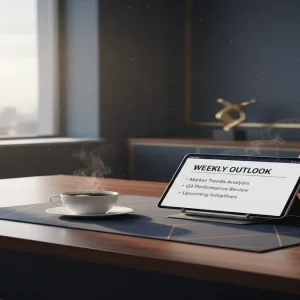
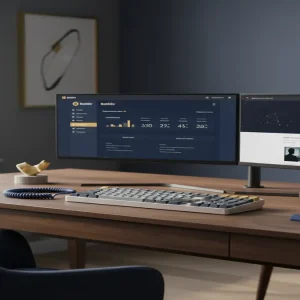
Productivity begins with your physical surroundings. You cannot expect high-level output if you are working from a cluttered kitchen table or a slumped position on your sofa. Creating a dedicated workspace signals to your brain that it is time to focus.
Prioritize Ergonomics
Investing in your health is an investment in your productivity. An ergonomic chair that supports your lower back and a desk at the correct height can prevent chronic pain and fatigue. Consider a standing desk to keep your blood flowing throughout the day. Remember, physical discomfort is the ultimate distraction.
Lighting and Atmosphere
Natural light is a powerful mood booster. Position your desk near a window if possible. If natural light is limited, use “daylight” LED bulbs to reduce eye strain. Additionally, incorporating indoor plants can improve air quality and reduce stress levels, making your workspace a place you actually want to spend time in.
2. Mastering Time Management and Focus
Without the physical cues of an office (like colleagues leaving for lunch or the commute home), remote workers often find their days blurring together. Effective time management is the bridge between being “busy” and being “productive.”
The Pomodoro Technique
One of the most effective methods for maintaining focus is the Pomodoro Technique. Work for 25 minutes on a single task, followed by a 5-minute break. After four cycles, take a longer break of 15-30 minutes. This prevents burnout and keeps your mind sharp throughout the afternoon slump.
Time Blocking Your Calendar
Instead of a traditional to-do list, try time blocking. Assign specific blocks of time in your calendar for specific tasks. For example, block 9:00 AM to 11:00 AM for “Deep Work”—tasks that require intense concentration—and save administrative tasks like email for the late afternoon when your energy might be lower.
- Deep Work: Coding, writing, strategy, and analysis.
- Shallow Work: Email, Slack messages, and data entry.
3. Essential Tools for Remote Productivity
In a remote setting, your tech stack is your office. Choosing the right tools can streamline communication and automate repetitive tasks. [Internal Link: Check out our guide on the best remote work software for more details].
Communication and Collaboration
Communication is the lifeblood of a remote team. Tools like Slack or Microsoft Teams allow for real-time interaction, while Zoom or Google Meet facilitate face-to-face connection. However, be wary of “notification fatigue.” Set your status to “Away” or “Do Not Disturb” when you are in a deep work block.
Project Management
To keep projects on track, use robust project management software. Tools like Asana, Trello, or Monday.com provide visibility into who is doing what and when it is due. These platforms reduce the need for unnecessary status-check meetings, giving everyone more time to actually do the work.
Focus and Wellness Apps
If you find yourself mindlessly scrolling social media, use apps like Freedom or Forest to block distracting websites. Additionally, apps like Headspace or Calm can help you take meaningful breaks to reset your mental state.
4. Setting Boundaries: The Key to Work-Life Balance
The biggest challenge of remote work is the inability to “unplug.” When your home is your office, work can easily bleed into your personal life. Establishing firm boundaries is essential for long-term work-life balance.
Establish a “Start” and “End” Ritual
Simulate a commute. This could be a 15-minute walk around the block, a morning meditation, or simply making a cup of coffee. Similarly, at the end of the day, shut down your computer and physically leave your workspace to signal to your brain that the workday is over.
Communicate Your Availability
Be transparent with your team and your household. Let your family or roommates know your “deep work” hours to minimize interruptions. Use your Slack status to indicate when you are offline so you don’t feel pressured to respond to messages at 9:00 PM.
5. Overcoming the Isolation of Remote Work
Remote work can be lonely. Isolation can lead to a decrease in motivation and job satisfaction. To stay productive, you must actively seek out human connection.
- Schedule Virtual Coffee Chats: Spend 15 minutes a week talking to a colleague about something other than work.
- Co-working Spaces: If you feel too isolated at home, consider visiting a local co-working space once or twice a week.
- Professional Communities: Join online forums or local meetups related to your industry to stay engaged and inspired.
Conclusion: Consistency Over Perfection
Productivity is not about working 12-hour days; it is about working smarter during the hours you are active. By optimizing your environment, mastering your schedule, and utilizing the right technology, you can achieve a level of remote work productivity that far exceeds the traditional office experience.
Start small. Pick one strategy from this guide—perhaps setting up a dedicated desk or trying time blocking—and implement it today. Over time, these small changes will compound into a more fulfilling and productive professional life. Remember, the goal of remote work is to give you more freedom, not more stress. [Internal Link: Read our latest post on mental health for remote employees].
Final Thoughts
As the world continues to adapt to digital-first workflows, those who can manage themselves effectively will be the most successful. Stay disciplined, stay connected, and most importantly, stay balanced. Your productivity—and your well-being—depends on it.