Introduction: The New Era of Professional Flexibility
In recent years, the professional landscape has undergone a seismic shift. What was once a temporary solution to global lockdowns has evolved into a permanent fixture of the modern economy. Remote work productivity is no longer just a buzzword; it is a critical skill set that determines the success of millions of professionals worldwide. However, working from home comes with its own unique set of challenges, from the blurring of work-life boundaries to the constant lure of household distractions.
Whether you are a seasoned digital nomad or a corporate employee transitioning to a hybrid model, mastering your environment and your schedule is essential. In this comprehensive guide, we will explore actionable strategies, essential tools, and psychological insights to help you maximize your remote work productivity while maintaining a healthy work-life balance.
1. Crafting Your High-Performance Workspace
One of the most significant factors influencing your output is your physical environment. You cannot expect to maintain high levels of focus if you are working from a cluttered kitchen table or a soft couch that encourages napping.
The Power of a Dedicated Office
If possible, designate a specific room in your home as your office. This creates a psychological boundary that tells your brain, “I am now at work.” If space is limited, even a dedicated corner with a consistent desk setup can suffice. The key is consistency.
Ergonomics and Physical Health
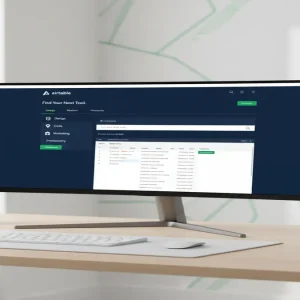
To sustain long-term remote work productivity, you must prioritize ergonomics. Investing in a high-quality chair, an adjustable desk, and proper monitor height can prevent chronic pain and fatigue. Consider the following checklist for your setup:
- Chair: Lumbar support and adjustable height are non-negotiable.
- Monitor: The top of your screen should be at eye level.
- Lighting: Natural light is best for mood, but ensure you have flicker-free LED task lighting for evening work.
- Peripherals: An external keyboard and mouse reduce strain on your wrists compared to laptop tracks.
2. Mastering Time Management Techniques
Without the natural structure of a 9-to-5 office routine, it is easy for time to slip away. Effective time management is the backbone of high-level performance.
The Pomodoro Technique
This method involves working in focused bursts (usually 25 minutes) followed by a short break (5 minutes). After four cycles, take a longer break. This prevents cognitive fatigue and keeps your mind sharp throughout the day.
Time Blocking and the Eisenhower Matrix
Instead of a simple to-do list, try time blocking. Schedule specific blocks of time in your calendar for specific tasks. To prioritize these tasks, use the Eisenhower Matrix:
- Urgent and Important: Do these immediately.
- Important but Not Urgent: Schedule these for later.
- Urgent but Not Important: Delegate these if possible.
- Neither: Eliminate these distractions.
(Internal Link Suggestion: Check out our guide on the best time management apps for 2024)
3. Leveraging Digital Tools for Maximum Efficiency
The right software stack can automate mundane tasks and streamline your workflow. To enhance your remote work productivity, you should familiarize yourself with the following categories of tools:
Project Management
Tools like Trello, Asana, and Monday.com allow you to visualize your projects, set deadlines, and track progress without needing constant check-ins with your team.
Communication and Collaboration
While email is still relevant, platforms like Slack or Microsoft Teams are better for real-time collaboration. For video conferencing, Zoom and Google Meet remain industry standards. However, be wary of “Zoom fatigue”—not every meeting needs to be a video call.
Focus and Deep Work Apps
If you find yourself scrolling through social media, use apps like Freedom or Forest to block distracting websites during work hours. These tools help protect your “deep work” sessions from digital interruptions.
4. Overcoming the Psychological Hurdles of Remote Work
Productivity isn’t just about tools and schedules; it’s about your mental state. Working in isolation can lead to feelings of loneliness or burnout if not managed correctly.
Establishing a Morning Routine
How you start your day sets the tone for your productivity. Avoid checking emails immediately upon waking. Instead, engage in a routine that signals the start of the workday—this could be a walk, a workout, or simply brewing a fresh cup of coffee and reading for 15 minutes.
The Importance of Social Interaction
Remote work can be lonely. To maintain high remote work productivity, you need to satisfy your social needs. Schedule virtual coffee chats with colleagues or join local co-working spaces once or twice a week to stay connected to the professional community.
Combating “Always-On” Culture
One of the biggest threats to productivity is the feeling that you must be available 24/7. Set clear boundaries for when your workday ends. Close your laptop, turn off work notifications, and physically leave your workspace to signify that you are now in personal time.
5. Nutrition and Movement: The Hidden Productivity Boosters
Your brain is a biological organ that requires fuel. Neglecting your health will inevitably lead to a decline in your output.
Stay hydrated throughout the day and avoid heavy, high-carb lunches that lead to the infamous afternoon slump. Instead, opt for “brain foods” like nuts, berries, and lean proteins. Additionally, incorporate movement into your day. Even a 10-minute walk can boost blood flow to the brain, enhancing creativity and problem-solving abilities.
Conclusion: Consistency Over Perfection
Improving your remote work productivity is a marathon, not a sprint. Some days will be more productive than others, and that is okay. The goal is to build sustainable habits that support your professional growth while respecting your personal well-being.
By optimizing your workspace, mastering your schedule, utilizing the right tools, and taking care of your mental and physical health, you can thrive in a remote environment. Start by implementing just two of the strategies mentioned in this guide today, and watch how your efficiency transforms over the coming weeks.
(Internal Link Suggestion: Read our follow-up article on how to negotiate a permanent remote work arrangement with your employer.)