Introduction: The New Era of the Digital Workspace
Remote work has transitioned from a temporary solution to a permanent pillar of the global economy. As we navigate through 2024, the challenge for many professionals is no longer just finding a way to work from home, but mastering remote work productivity in an environment filled with distractions. Whether you are a seasoned digital nomad or a corporate employee transitioning to a hybrid model, optimizing your workflow is essential for career longevity and personal well-being.
In this comprehensive guide, we will explore the proven strategies, essential tools, and psychological shifts required to maintain high performance outside the traditional office. By the end of this post, you will have a clear roadmap to boost your efficiency, manage your time effectively, and achieve a sustainable work-life balance.
1. Designing Your Environment for Peak Performance
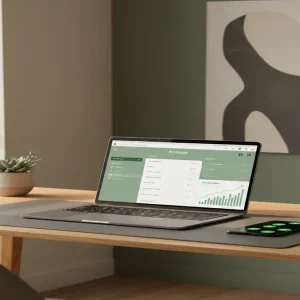
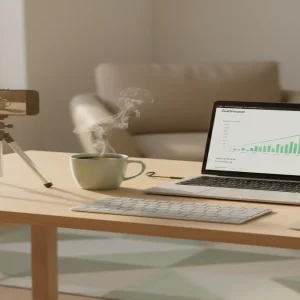
Your physical surroundings play a critical role in your ability to focus. A cluttered kitchen table rarely facilitates the same level of deep work as a dedicated, organized workspace. To maximize your remote work productivity, you must treat your home office with the same respect as a professional headquarters.
The Power of a Dedicated Workspace
Even if you live in a small apartment, designating a specific area solely for work helps your brain switch into “work mode.” Avoid working from your bed or your sofa, as these areas are psychologically linked to relaxation and sleep. When you enter your designated zone, your brain receives a signal that it is time to perform.
Ergonomics and Physical Health
Productivity is directly tied to comfort. Investing in an ergonomic chair, a standing desk, or a monitor riser can prevent chronic pain and fatigue. [Internal Link: Our Guide to Choosing the Best Home Office Furniture]. Ensure your monitor is at eye level to prevent neck strain, and keep your keyboard at a height that allows your elbows to stay at a 90-degree angle.
2. Essential Tools for Remote Productivity
Technology is the backbone of remote work. However, using too many tools can lead to “app fatigue.” The key is to select a streamlined stack of software that enhances collaboration and organization.
- Communication Tools: Slack or Microsoft Teams for real-time messaging, and Zoom or Google Meet for face-to-face interactions.
- Project Management: Trello, Asana, or Monday.com to track tasks and deadlines.
- Knowledge Management: Notion or Obsidian for documenting processes and taking notes.
- Time Tracking: Toggl Track or Harvest to monitor where your hours are actually going.
By integrating these tools, you can minimize the time spent on administrative overhead and maximize the time spent on high-impact tasks.
3. Master Your Schedule with Time Management Techniques
Without the structure of a 9-to-5 office routine, it is easy for work hours to bleed into personal time, or for your day to vanish into a series of minor interruptions. Implementing a formal time management system is the best way to regain control.
The Pomodoro Technique
This classic method involves working for 25 minutes followed by a 5-minute break. After four cycles, take a longer break of 15-30 minutes. This prevents burnout and keeps your mind fresh throughout the day.
Time Blocking
Time blocking involves scheduling specific blocks of time for specific tasks in your calendar. Instead of a vague to-do list, you might have a block from 9:00 AM to 11:00 AM dedicated to “Deep Work: Project Report.” This protects your time from being hijacked by unscheduled meetings or emails.
The ‘Eat the Frog’ Method
Coined by Brian Tracy, this principle suggests that you should tackle your most difficult or most important task first thing in the morning. Once the “frog” is eaten, the rest of the day feels significantly easier and more productive.
4. Overcoming the Psychological Hurdles of Remote Work
Productivity isn’t just about checklists; it’s about mindset. Remote workers often face unique psychological challenges, such as isolation and the “always-on” mentality.
Combating Social Isolation
Working alone can lead to feelings of loneliness, which negatively impacts motivation. Make an effort to schedule social interactions. This could be a virtual coffee chat with a colleague or working from a local library or co-working space once a week to be around other people.
Establishing Firm Boundaries
One of the biggest threats to remote work productivity is the blurring of lines between home and office. You must set firm start and end times. Communicate these boundaries to your household and your team. When you log off at 6:00 PM, turn off notifications and step away from your computer.
5. The Importance of Physical Activity and Nutrition
Your brain is a biological organ that requires fuel and movement to function at its best. Long periods of sitting can lead to brain fog and decreased cognitive function.
- Movement Breaks: Stand up and stretch every hour. A 10-minute walk outside can provide a significant cognitive reset.
- Hydration: Dehydration is a common cause of fatigue. Keep a water bottle at your desk.
- Nutritious Snacking: Avoid sugary snacks that lead to energy crashes. Opt for nuts, fruits, or proteins that provide sustained energy.
6. Asynchronous Communication: The Secret to Deep Work
In 2024, the most productive remote teams are moving toward asynchronous communication. This means that instead of expecting immediate responses to every message, team members respond when it fits into their workflow. This reduces interruptions and allows for longer periods of “Deep Work,” a concept popularized by Cal Newport. [Internal Link: Mastering Deep Work in a Distracted World].
Conclusion: Creating Your Personalized Productivity Blueprint
Maintaining high levels of remote work productivity is not a one-size-fits-all endeavor. It requires a combination of the right environment, the right tools, and the right habits. Start by implementing one or two of the strategies mentioned in this guide—perhaps setting up a dedicated workspace or trying time blocking—and observe how they impact your output.
Remember, the goal of productivity isn’t to work more hours, but to make the hours you do work more impactful. By mastering your environment and your schedule, you can enjoy the freedom of remote work while still achieving your highest professional potential.