Introduction: The New Era of the Professional Landscape
In the last few years, the global workforce has undergone a seismic shift. What was once considered a luxury or a niche arrangement has now become the standard for millions. Remote work productivity is no longer just a buzzword; it is a critical skill set required to thrive in the modern economy. Whether you are a seasoned digital nomad or a corporate professional transitioning to a home office, mastering the art of working outside a traditional office setting is essential.
However, working from home comes with its own unique set of challenges. From the lure of the refrigerator to the blurring lines between personal and professional time, staying focused requires intention and strategy. This comprehensive guide will explore the best practices, tools, and mindsets necessary to maximize your efficiency while maintaining your well-being.
1. Designing an Optimized Home Office Workspace
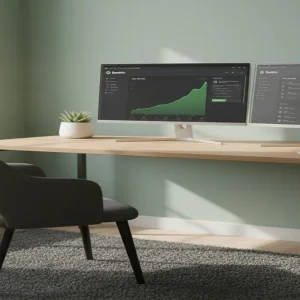
Your physical environment plays a monumental role in your ability to focus. You cannot expect peak remote work productivity if you are working from a cluttered kitchen table or a soft couch that invites naps rather than deep work.
Prioritize Ergonomics
Investing in an ergonomic chair and a height-adjustable desk is not just about comfort; it’s about longevity. Poor posture leads to chronic pain, which is a major productivity killer. Ensure your monitor is at eye level to prevent neck strain and that your wrists are neutral while typing.
Lighting and Atmosphere
Natural light is a proven mood booster. If possible, position your desk near a window. Additionally, incorporate elements like indoor plants, which have been shown to reduce stress and increase attention spans. For more tips on setting up your space, check out our internal guide on Modern Home Office Design Trends.
2. Mastering Time Management and Focus
Without a manager looking over your shoulder, time can easily slip away. To combat this, you must become the architect of your own schedule.
- The Pomodoro Technique: Work for 25 minutes, followed by a 5-minute break. This keeps your brain fresh and prevents burnout.
- Time Blocking: Dedicate specific blocks of your calendar to certain tasks. For example, check emails only between 9:00 AM and 9:30 AM.
- Eat the Frog: Complete your most difficult or dreaded task first thing in the morning when your energy levels are highest.
By implementing these structures, you create a sense of urgency and purpose that replicates the professional atmosphere of an office.
3. Leveraging the Right Technology Stack
In the world of remote work, your tools are your lifeline. The right software can bridge the communication gap and keep projects on track. Here are the categories of tools you need:
- Communication: Slack or Microsoft Teams for instant messaging; Zoom or Google Meet for face-to-face interactions.
- Project Management: Asana, Trello, or Monday.com to visualize workflows and deadlines.
- Focus Apps: Forest or Freedom to block distracting websites like social media during work hours.
- Cloud Storage: Google Drive or Dropbox to ensure your files are accessible from anywhere and safely backed up.
Choosing the right stack depends on your specific industry, but the goal remains the same: reducing friction and enhancing collaboration.
4. Establishing Clear Boundaries
One of the biggest risks of remote work is the “always-on” culture. When your office is in your living room, it is easy to find yourself answering emails at 9:00 PM. This eventually leads to burnout and a decline in overall remote work productivity.
Set Fixed Working Hours: Just as you would in an office, have a clear start and end time. Communicate these hours to your colleagues and family members. When the clock hits your end time, shut down your computer and physically leave your workspace.
Create a Shutdown Ritual: Whether it’s writing a to-do list for the next day or a five-minute meditation, a ritual signals to your brain that the workday is over.
5. Communication and Collaboration Strategies
Remote work requires over-communication. Since you lack the “water cooler” moments, you must be intentional about staying connected with your team.
Asynchronous vs. Synchronous Communication
Not every question needs a meeting. Learn to use asynchronous communication (emails, recorded Loom videos, or project comments) for non-urgent updates. Save synchronous communication (video calls) for brainstorming, complex problem-solving, or building social rapport.
Maintaining Visibility
Ensure your manager and teammates know what you are working on. Regular status updates or a shared progress board can prevent the feeling of isolation and ensure you are aligned with company goals.
6. Physical and Mental Wellness
You are the engine of your productivity. If you don’t maintain the engine, the output will suffer. Remote workers often sit for longer periods and move less than office workers.
Movement: Incorporate movement into your day. A 15-minute walk during lunch can significantly boost cognitive function for the afternoon session.
Hydration and Nutrition: It is easy to survive on coffee and snacks. However, a balanced diet and proper hydration are essential for maintaining the mental clarity needed for deep work. For more on this, read our post on Nutrition Tips for High-Performance Professionals.
7. Common Remote Work Pitfalls (and How to Avoid Them)
Even the most disciplined workers can fall into traps. Recognizing these early is key to staying productive.
- Multitasking: It’s a myth. Focus on one task at a time for better quality and faster completion.
- Social Isolation: Make an effort to socialize outside of work or use co-working spaces occasionally to satisfy the need for human interaction.
- Distractions: Use noise-canceling headphones to block out household sounds.
Conclusion: Consistency is Key
Mastering remote work productivity is an ongoing journey, not a destination. What works for you today might need adjustment six months from now as your projects or personal circumstances change. By focusing on your environment, utilizing the right tools, and maintaining a healthy work-life balance, you can unlock a level of efficiency that far surpasses the traditional office model.
The future of work is flexible. By adopting these strategies, you are not just surviving the remote work era—you are leading it. Start by implementing one or two of these changes this week, and observe how your focus and output transform.
Enjoyed this guide? Don’t forget to subscribe to our newsletter for more tips on professional development and workplace efficiency!