The Invisible Problem Small Businesses Can’t Solve Alone
Did you know that the average solopreneur wastes nearly 150 hours per year simply switching between browser tabs and hunting for lost documents? It’s called ‘context switching,’ and it’s the silent killer of modern productivity. While most people see Notion as a simple note-taking app, a small group of digital architects is quietly building high-ticket ‘Operating Systems’ that solve this friction, earning thousands of dollars for a single digital file.
📹 Watch the video above to learn more!
You’ve likely seen the $10 aesthetic planners on social media, but that’s not what we’re talking about here. We’re diving into the world of high-utility B2B digital assets. By building a comprehensive ‘Single Source of Truth’ for specific micro-agencies, you aren’t just selling a template; you are selling a business transformation. Here’s the thing: businesses don’t want pretty colors; they want a system that tells them exactly what to do when they wake up in the morning.
Let’s explore how you can stop trading your hours for dollars and start building organizational architecture that pays you while you sleep. The demand for digital organization has never been higher, and the barrier to entry is surprisingly low if you have a logical mind and a knack for workflow.
What is a Niche Operating System (OS)?
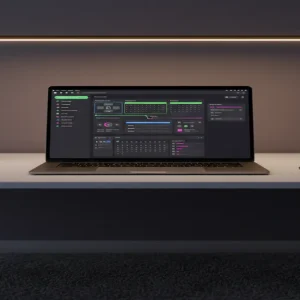
A Niche Operating System is a pre-configured Notion workspace designed to handle every facet of a specific type of business. Imagine a ‘Ghostwriter OS’ that includes a CRM for client leads, a content calendar with automated deadline reminders, a library for research snippets, and an automated invoice tracker. You are essentially providing the ‘brain’ for a business that doesn’t have one yet.
The magic of this method lies in arbitrage. You are taking the free or low-cost power of Notion’s infrastructure and layering your specialized workflow knowledge on top of it. You’re selling the solution to a messy Google Drive and a chaotic Slack channel. When you package this correctly, it becomes an irresistible asset for a business owner who is drowning in their own success.
The Rise of the Organizational Architect
In the digital economy, we are seeing a shift from ‘generalist freelancers’ to ‘systems builders.’ People are tired of hiring assistants who need constant management. They want a system that manages itself. As an organizational architect, you fill this gap by creating the infrastructure that allows a business to scale without the owner losing their mind.
Why “Niche OS” Templates Command Premium Prices
Why would someone pay $500 for a Notion setup when they could download a free one? The answer is specificity. A general productivity template is like a one-size-fits-all suit; it doesn’t really fit anyone perfectly. A ‘Legal Practice OS’ or a ‘Personal Trainer Client Portal,’ however, is tailored to the exact pain points of that profession.
When you solve a specific problem for a specific person, the price becomes secondary to the value. If your system saves a consultant five hours of admin work a week, that system is worth thousands of dollars to them over the course of a year. You aren’t competing with $10 Etsy sellers; you’re competing with expensive SaaS software that charges monthly subscriptions.
The Psychology of Buying Back Time
Most business owners are ‘visionaries’ who are terrible at ‘integration.’ They have great ideas but struggle with the day-to-day tracking of those ideas. By offering a ‘plug-and-play’ solution, you are tapping into the most powerful psychological trigger in the B2B world: the desire to buy back time and mental clarity.
Your 5-Step Blueprint to Building a Notion Empire
Ready to build your first high-ticket asset? Follow this exact sequence to go from zero to your first $1,000 sale. Don’t overcomplicate the process; focus on utility over aesthetics.
Step 1: Identify a Messy Micro-Niche
Don’t build a ‘Business Planner.’ Instead, build a ‘Podcast Production Hub’ or a ‘Short-Form Video Agency Dashboard.’ Look for niches where people have to manage multiple moving parts, such as influencers, real estate agents, or boutique e-commerce owners. The messier their current process, the more they will pay for your solution.
Step 2: Map the Workflow Architecture
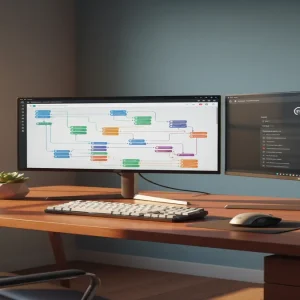
Before you touch Notion, grab a piece of paper. Map out every step your target customer takes from ‘Lead Acquired’ to ‘Project Finished.’ What data do they need? What tasks repeat every week? Your OS must reflect this journey perfectly. Use relational databases in Notion to ensure that a client’s name in the CRM automatically links to their specific projects and invoices.
Step 3: Build for Frictionless Utility
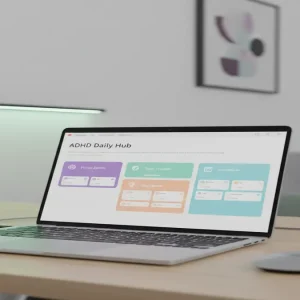
Open Notion and start building. Use ‘Linked Views’ to create dashboards that only show what is relevant right now. A good OS should have a ‘Daily Action’ screen that filters out all the noise. Remember: if it takes more than two clicks to find something, your system is failing. Focus on clean navigation and automated templates within your databases.
Step 4: The ‘Loom’ Onboarding Secret
This is how you justify a $500+ price tag. Create a series of short (2-3 minute) videos using Loom explaining exactly how to use each part of the system. Embed these videos directly into the Notion pages. This turns a ‘template’ into a ‘digital course/system hybrid,’ significantly increasing the perceived value and reducing support requests.
Step 5: Distribution via Niche Communities
Don’t just post on Twitter and hope for the best. Go where your niche hangs out. If you built a ‘Therapist OS,’ join Facebook groups for private practice owners. Offer a ‘lite’ version for free to get testimonials, then pitch the full OS as the ultimate solution for those ready to scale. List your final product on Gumroad or LemonSqueezy for easy payment processing.
Realistic Revenue: From First Sale to Scaling
Let’s talk numbers. This isn’t a ‘get rich quick’ scheme, but the margins are 100% because there’s no inventory. A typical high-end Notion OS sells for between $150 and $750. If you price your ‘Agency OS’ at $499 and sell just 8 copies a month, you are looking at $3,992 in monthly revenue.
Your first dollar will likely come within 14-30 days, depending on how quickly you can build and find your first beta testers. The best part? Once the asset is built, your only job is marketing and occasional updates. You’ve effectively built a digital factory that produces profit with zero marginal cost.
Essential Tools for Your Digital Factory
- Notion: The core platform for building your systems (Free or Plus plan).
- Loom: For recording onboarding tutorials and marketing walkthroughs.
- Gumroad / LemonSqueezy: To handle digital delivery and payments.
- Canva: To create professional-looking thumbnails and ‘mockups’ of your OS for the sales page.
- Tally.so: For creating beautiful forms that feed data directly into your Notion OS.
Pitfalls That Kill Your Conversion Rates
Avoid these common mistakes to ensure your OS actually sells and stays profitable:
- Over-Engineering: Don’t add features just because they look cool. If a database doesn’t serve a clear business purpose, delete it. Complexity is the enemy of adoption.
- Ignoring Mobile: Many business owners check their stats on the go. Ensure your dashboards are ‘mobile-friendly’ by using simple layouts that stack well on small screens.
- Poor Onboarding: If a customer opens your template and feels overwhelmed, they will ask for a refund. Use the Loom videos mentioned earlier to hold their hand through the setup.
- Zero Feedback Loop: Your first version won’t be perfect. Listen to your first five customers and update the system based on their actual usage patterns.
The Next Step Toward Your Digital Empire
The world doesn’t need more information; it needs more organization. You have the opportunity to be the person who brings order to the chaos of the creator economy. Stop scrolling and start mapping out the workflow of a niche you understand. Your first $1,000 digital asset is only a few databases away. Pick one niche today and list five recurring problems they face—that is the foundation of your new business.