The High-Ticket Secret Most Freelance Writers Are Missing
While the average freelancer is currently fighting for $50 blog post gigs on crowded marketplaces, a small group of specialists is quietly charging $2,500 per setup to fix a problem most creators don’t even know they have. Here is the reality: the creator economy is projected to hit $480 billion by 2027, yet most newsletter owners are still running their businesses on messy spreadsheets and manual emails. If you can build the engine that runs their show, you stop being a replaceable writer and start becoming an indispensable partner.
📹 Watch the video above to learn more!
Have you ever wondered why some newsletters look professional and monetize effortlessly while others struggle to stay consistent? The difference isn’t the writing; it’s the operating system behind the scenes. I am talking about ‘Newsletter Ops’—the art of building the backend infrastructure that handles growth, monetization, and automation. It is the single most profitable pivot you can make in the digital economy right now.
What Exactly Is a Newsletter Operating System?
A Newsletter Operating System (NOS) is a comprehensive digital environment that manages the entire lifecycle of a newsletter. Instead of just writing a weekly update, you are building a centralized hub—usually in a tool like Notion—that connects to a delivery platform like Beehiiv or ConvertKit. This system tracks everything from sponsorship pipelines and ad creative deadlines to subscriber growth experiments and automated welcome sequences.
When you sell this, you aren’t selling ’emails.’ You are selling time, clarity, and revenue. You are giving a creator the ability to see exactly how much money they will make three months from now based on their current sponsor bookings. You are moving them from a state of constant ‘content panic’ to a state of ‘strategic growth.’ This shift in value is why you can charge four figures for a single setup that takes you less than ten hours to implement once you have the framework down.
Why Creators Are Desperate for This Infrastructure
The Complexity Crisis
Most creators started their newsletters as a hobby. As they grow to 10,000 or 50,000 subscribers, the manual tasks begin to suffocate them. They are managing sponsors in their DMs, tracking growth in a random Excel sheet, and trying to remember which automated email needs updating. They are drowning in complexity, and they will gladly pay to make that pain go away.
Predictable Revenue Tracking
A proper NOS includes a sponsorship CRM. This allows creators to see their inventory at a glance. When you show a creator how they can fill their calendar for the next six months using your system, the ROI of your service becomes immediately obvious. You aren’t a cost; you are a revenue multiplier.
Data-Driven Growth
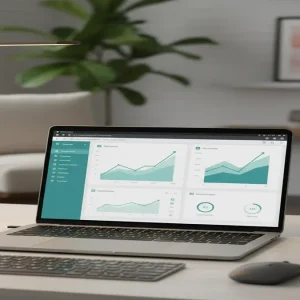
Most newsletters grow by accident. By building an ‘Ops’ system, you provide them with a growth dashboard. You help them track which referral sources are actually converting, allowing them to double down on what works and cut what doesn’t. This level of insight is worth its weight in gold to a serious business owner.
How to Build and Sell Your First NOS
Step 1: Master the ‘Big Three’ Tech Stack
To be an expert in Newsletter Ops, you need to understand how the best tools talk to each other. Focus your energy on mastering Beehiiv (for delivery and scaling), Notion (for the central command center), and Zapier or Make.com (to automate the data flow between them). You don’t need to be a coder; you just need to understand how to map out a workflow.
Step 2: Create Your Signature Notion Template
The core of your offering should be a proprietary Notion workspace. This should include a Content Calendar, a Sponsorship Tracker, a Media Kit builder, and a Database for ‘Swipe Files’ or inspiration. This is your ‘product,’ which you will customize for every client. Having a pre-built framework allows you to deliver high-value results with minimal manual labor.
Step 3: The ‘Audit-First’ Outreach Strategy
Don’t send generic cold emails. Instead, subscribe to a creator’s newsletter and identify a friction point. Perhaps their welcome sequence is broken, or they don’t have a clear way for sponsors to contact them. Send a loom video showing them exactly how an automated system would solve that specific problem. This ‘consultative’ approach has a much higher conversion rate than traditional pitching.
Step 4: Productize Your Onboarding
Once you land a client, you need a seamless way to extract their data. Create a simple intake form using Typeform or Tally. Ask for their current sponsor list, their growth goals, and their content pillars. This makes you look incredibly professional and ensures the build-out phase goes smoothly without endless back-and-forth emails.
Step 5: Scaling with Retainers
The initial setup fee is great, but the real wealth is in the retainer. Offer a ‘Monthly Ops Management’ package where you handle the technical uploads, manage the sponsor communications, and provide a monthly growth report. This turns a one-time project into predictable, recurring monthly revenue.
Realistic Earnings and Timelines
Let’s talk numbers. A standard Newsletter Ops setup typically ranges from $1,500 to $3,500 depending on the complexity of the migrations involved. If you land just two clients a month, you are already at a $3,000 – $7,000 monthly run rate. For those who add a management retainer of $1,000/month, scaling to $10,000/month requires only a handful of dedicated clients.
In terms of timeline, you can master the basic tech stack in about two weeks of focused study. Your first ‘beta’ client (perhaps done at a discount for a testimonial) should take you about 14 days to complete. By month three, you can reasonably expect to be charging full price and closing high-ticket deals regularly.
The Newsletter Ops Toolkit
- Beehiiv: The gold standard for newsletter growth and monetization features.
- Notion: Your primary tool for building the client’s internal command center.
- Zapier: The ‘glue’ that automates data transfer between platforms.
- Passionfroot: An essential tool for managing newsletter sponsorships and payments.
- Loom: For sending video audits and training clients on their new system.
Common Pitfalls to Avoid
Over-Engineering the System
The biggest mistake is building a system so complex that the creator is afraid to touch it. Keep your Notion dashboards clean and intuitive. If it takes more than three clicks to find something, it is too complicated. Focus on utility over ‘aesthetic’ widgets that slow down the workspace.
Ignoring Email Deliverability
You can build the most beautiful system in the world, but if the emails are landing in spam, you’ve failed. Part of your ‘Ops’ service must include technical setup like DKIM and SPF records. If you don’t know what those are, learn them before you take your first client. They are the foundation of email success.
Underpricing Your Expertise
Do not charge by the hour. You are selling a business transformation. If your system helps a creator land one extra $2,000 sponsor per month, your $3,000 setup fee pays for itself in six weeks. Price based on the value and the time you are saving the creator, not the hours you spend clicking buttons in Notion.
Your Next Step Toward High-Ticket Freedom
The window for ‘Newsletter Ops’ is wide open because the demand for professionalized creators is far outstripping the supply of technical specialists. You don’t need a degree or ten years of experience; you just need to be two steps ahead of the creator in terms of system organization. Your immediate next step is to pick one newsletter you love, analyze their current ‘backend’ gaps, and draft a 5-minute video showing them how you would automate their sponsorship flow.