The End of the Passive Income Myth
Most people think selling digital products means writing a 50-page ebook that eventually ends up gathering digital dust in a customer’s ‘Downloads’ folder. Here is the cold, hard truth: nobody wants more information, but everyone is starving for organization and execution. While the average Etsy seller is fighting for $5 sales, a new wave of ‘Digital Architects’ is quietly earning $4,000 a month or more by building hyper-niche operating systems inside platforms like Notion. This isn’t just about making things look pretty; it’s about solving the messy, expensive problems that keep business owners up at night.
📹 Watch the video above to learn more!
Have you ever wondered why some creators can charge $150 for a template while others struggle to sell a guide for $10? The secret lies in the shift from content to utility. When you build a system, you aren’t selling a PDF; you’re selling a solution to someone’s chaotic workflow. If you can save a freelance photographer five hours of admin work a week, they won’t just buy your product—they’ll tell every other photographer they know about it. Let’s look at how you can stop being a content creator and start being a solution architect.
What is a Hyper-Niche Digital Operating System?
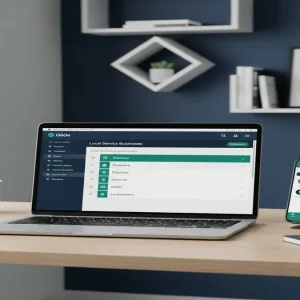
A Digital Operating System (OS) is a comprehensive, interconnected workspace designed to manage a specific area of life or business. Instead of a simple checklist, an OS uses databases, automated relations, and custom views to handle everything from project management to client onboarding. Think of it as ‘software-as-a-service’ but without the need to write a single line of code. You’re using the infrastructure of existing platforms to build a custom tool for a very specific group of people.
The magic happens when you get hyper-niche. Instead of building a ‘Daily Planner for Everyone,’ you build a ‘Commercial Real Estate Pipeline Manager’ or a ‘Content Hub for Gluten-Free Food Bloggers.’ By narrowing your focus, you eliminate 99% of your competition. You stop being a commodity and start being an essential business expense. It’s the difference between buying a generic hammer and a precision-engineered tool designed for a specific surgical procedure.
Why High-Ticket Templates Outperform Cheap Ebooks
The psychology of pricing is fascinating in the digital asset world. When someone buys an ebook, they are buying the responsibility to learn. When someone buys a Digital OS, they are buying a shortcut to an outcome. This perceived value allows you to price your products significantly higher. A well-built Notion system for a small agency can easily sell for $97 to $197, whereas an ebook on the same topic would struggle to clear $20. You need far fewer customers to reach your income goals when your average order value is high.
Furthermore, these systems have a ‘stickiness’ factor. Once a user moves their data into your system, they are unlikely to leave. This creates a massive opportunity for backend revenue through updates, community access, or even 1-on-1 consulting. You aren’t just making a one-off sale; you’re building a brand around a specific methodology that people trust. The best part? Once the architecture is built, your cost to deliver it to the next 1,000 customers is exactly zero.
The 5-Step Framework to Build Your First OS
Step 1: Identify the ‘Messy Middle’
Look for industries where people are still using a combination of messy spreadsheets, sticky notes, and three different apps to get one job done. This is the ‘Messy Middle.’ Your goal is to find a workflow that is currently fragmented and consolidate it into one seamless workspace. Ask yourself: What is the one thing this niche does every single day that feels like a chore? That is your starting point.
Step 2: Build the Logic, Not the Look
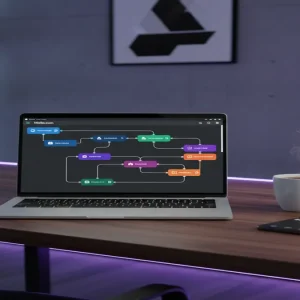
It is tempting to spend weeks picking the perfect icons and cover images, but the value is in the database architecture. Start by mapping out the relationships between different data points. If you’re building for a YouTuber, how does the ‘Script’ database connect to the ‘Sponsorship’ database? Ensure the logic is sound before you even think about the aesthetics. A beautiful template that breaks is a refund waiting to happen.
Step 3: The Beta-Testing Loop
Don’t launch into the void. Find three people in your target niche and give them the system for free in exchange for brutal feedback. Watch how they use it. Where do they get stuck? What features do they ignore? This step is crucial because it helps you identify the ‘hidden’ pain points you might have missed. Refine the system until it feels intuitive to someone who didn’t build it.
Step 4: Crafting the High-Value Landing Page
Your sales page shouldn’t list features; it should list saved hours and reduced stress. Instead of saying ‘Includes a Task Database,’ say ‘Never miss a client deadline again with our automated priority engine.’ Use a tool like LemonSqueezy or Gumroad to handle the checkout process. These platforms are built for digital creators and handle all the VAT and tax headaches for you automatically.
Step 5: The ‘Loom-First’ Marketing Strategy
The most effective way to sell a Digital OS is to show it in action. Record short, 2-minute Loom videos showing how the system solves a specific problem. Share these on LinkedIn, X (Twitter), or in niche Facebook groups. When people see the efficiency of the workflow, the product practically sells itself. You aren’t ‘selling’; you’re demonstrating a better way to work.
The Math Behind the $4,000 Monthly Goal
Let’s get realistic about the numbers. To hit $4,000 a month, you don’t need a million followers. If your Digital OS is priced at $147—a standard price for high-utility business templates—you only need to sell 28 units per month. That is less than one sale per day. If you focus on a niche with high disposable income, like lawyers, tech consultants, or specialized freelancers, this conversion rate is highly achievable with even a small, targeted audience of 500 to 1,000 people.
Your timeline to the first dollar depends on your niche knowledge. Most Digital Architects spend 2 weeks researching, 2 weeks building, and 1 week beta testing. You could realistically have your first sale within 45 days. From there, it’s about refining your marketing and perhaps creating a ‘lite’ version of your system to act as a lead magnet to draw people into your ecosystem.
Your Digital Architect Toolbox
- Notion: The primary platform for building your digital systems and databases.
- LemonSqueezy: The best platform for selling digital assets with built-in tax handling.
- Loom: For creating ‘walkthrough’ videos that demonstrate the value of your system.
- Canva: To create professional-looking thumbnails and social media assets.
- Tally.so: A simple form builder to collect beta tester feedback and testimonials.
3 Fatal Flaws That Kill Your Sales
Over-Complicating the System
The biggest mistake beginners make is adding too many bells and whistles. If a user has to watch a 2-hour tutorial just to understand how to add a task, they will give up. Simplicity is the ultimate sophistication. Your system should feel like a natural extension of their brain, not a complex puzzle they have to solve every morning.
Ignoring Mobile Optimization
While most business work happens on a desktop, many users will check their systems on the go. If your Notion databases look like a train wreck on a smartphone, you’ll lose a significant portion of your market. Always test your views on mobile and create specific ‘Mobile Dashboards’ for quick data entry and reference.
Failing to Update
Digital products are not ‘set it and forget it.’ Platforms like Notion update their features constantly. If your template uses outdated methods or doesn’t take advantage of new features like ‘Buttons’ or ‘Automations,’ it will quickly feel stale. Regular updates not only keep your product valuable but give you a reason to email your list and stay top-of-mind.
Your First Step Today
The world doesn’t need another generic productivity guide, but it desperately needs someone to organize the chaos of niche industries. Your next step is simple: spend the next 30 minutes browsing niche forums (like Reddit or specialized Discord servers) and look for people complaining about their current software or workflow. When you find a recurring complaint, you’ve found your first $4,000/month product idea. Stop consuming and start building the architecture of the future.