The Secret High-Ticket Digital Asset You Haven’t Built Yet
You don’t need to write a single line of code to build a software-style product that generates $5,000 every single month while you sleep. While most people are struggling to make pennies on survey sites or fighting for $5 gigs on Fiverr, a small group of digital architects is quietly building ‘Operating Systems’ inside of Notion. Here is the kicker: these creators aren’t selling basic checklists; they are selling high-value, specialized infrastructure to businesses that are desperate for organization.
📹 Watch the video above to learn more!
Have you ever noticed how overwhelmed small business owners are with their messy spreadsheets and scattered notes? That’s where you come in. By packaging your organizational logic into a ‘Notion OS’ kit, you are essentially selling a Micro-SaaS (Software as a Service) without the $50,000 development bill. It is the ultimate shortcut to building a scalable digital empire in 2024.
What Exactly is a Niche Notion OS Kit?
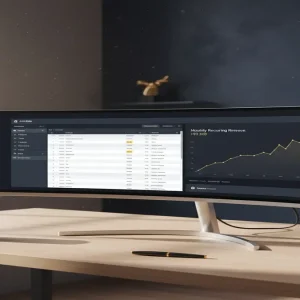
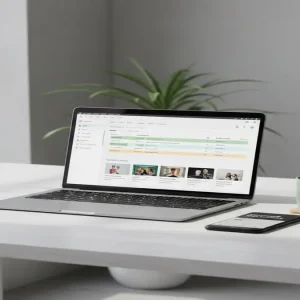
A Notion OS kit is a comprehensive, interconnected workspace designed to manage an entire business or life category. Unlike a simple template, which might just be a grocery list, an ‘OS’ includes automated databases, progress trackers, and relational dashboards. For example, a ‘Real Estate Agent OS’ would include lead CRM, property transaction pipelines, marketing calendars, and commission calculators all in one dashboard.
The beauty of this method lies in the ‘Niche’ aspect. You aren’t building a generic planner for everyone; you are building a specific solution for a specific person. When you solve a high-stakes problem for a professional—like a therapist needing to track patient hours or a YouTuber needing to manage a production team—you transition from a ‘template seller’ to a ‘systems consultant.’ This allows you to charge premium prices for what is essentially a digital duplicate of your brain.
Why This Strategy Outperforms Every Other Side Hustle
High Perceived Value and Premium Pricing
Generic templates sell for $5 to $10, which requires massive volume to make a living. However, a specialized ‘Lawyer Case Management OS’ can easily sell for $150 to $299 per license. You only need a handful of sales per month to out-earn most full-time freelancers. Because you are solving a professional pain point, the price becomes an investment for the buyer rather than an expense.
Zero Recurring Maintenance Costs
If you built a traditional SaaS app, you would have to pay for servers, developers, and security updates every month. With a Notion-based business, Notion handles all the hosting and infrastructure for free. Your only cost is your time to build the initial system and perhaps a small fee to your payment processor. This means your profit margins stay near 98% indefinitely.
The ‘Build Once, Sell Forever’ Leverage
The work you do today continues to pay you two years from now. Once the architecture of your system is built, duplicating it for a new customer costs you exactly zero dollars and zero seconds. It is the purest form of digital leverage available to non-coders today. Are you ready to stop trading your hours for dollars and start building assets that work while you’re at the gym?
How to Build Your First $5K Notion OS Kit
- Identify a High-Pain Niche: Don’t guess what people want. Go to forums like Reddit or industry-specific Facebook groups for professions like interior designers, gym owners, or freelance copywriters. Look for people complaining about their ‘messy workflows’ or ‘too many apps.’ That complaint is your goldmine.
- Map the Workflow Architecture: Before opening Notion, grab a piece of paper. Map out the journey of your target customer. What is the first thing they do in the morning? What data do they need to track? Create a flow of information from ‘Lead’ to ‘Closed Project.’ Your OS must mirror their real-world workflow.
- Build the ‘Single Source of Truth’: Open Notion and build your master databases first. Use ‘Relational Properties’ to link everything together. For example, link your ‘Tasks’ database to your ‘Projects’ database. The goal is to ensure the user never has to enter the same piece of data twice. This interconnectedness is what makes it an ‘OS’ rather than a template.
- Design for Aesthetic Authority: Professionals want to work in a space that looks clean and high-end. Use custom icons from sites like Flaticon and create minimalist headers in Canva. A professional-looking dashboard builds trust and justifies your $100+ price tag.
- Create an Onboarding Experience: Don’t just give them a link. Record a 10-minute Loom video walking them through how to use the system. Include a ‘Start Here’ page inside the Notion workspace. A great user experience leads to five-star reviews and word-of-mouth referrals.
- Launch on Niche Marketplaces: While you should eventually have your own site, start by listing on Gumroad and the Notion Template Gallery. Then, go back to those same forums where you found the pain points and share your solution as a helpful resource, not a sales pitch.
Realistic Earnings and Timelines
Let’s talk real numbers because the ‘get rich quick’ talk helps no one. During your first 30 days, you will likely earn $0 as you spend 20-30 hours building and testing your system. However, once you launch, a typical trajectory for a niche OS looks like this: Month 2 might bring in $300-$500 as you get your first few ‘early bird’ sales. By Month 6, as you build authority and collect reviews, scaling to $2,000-$5,000 per month is entirely realistic if you are active on platforms like Twitter (X) or LinkedIn.
The investment required is minimal. You need a Notion account (Free), a Gumroad account (Free to start), and a Canva account (Free). Your total financial risk is essentially zero, while the upside is a recurring income stream that requires less than 5 hours of ‘maintenance’ work per week once established.
Essential Tools for Your Notion Empire
- Notion: Your ‘factory’ where the products are built.
- Gumroad or LemonSqueezy: To handle payments and automated digital delivery.
- Canva: For creating professional-grade thumbnails and dashboard assets.
- Loom: For recording video tutorials that increase the value of your product.
- Tally.so: To collect feedback and feature requests from your users.
Common Pitfalls to Avoid
Over-Complicating the Interface
The biggest mistake beginners make is adding too many features. If your OS is too hard to learn, users will abandon it. Focus on ‘Time to Value’—how fast can the user feel organized after opening your link? Keep it simple, clean, and functional.
Ignoring the Mobile Experience
Many business owners check their data on the go. If your Notion OS looks like a mess on the mobile app, you will lose customers. Always test your layouts on your phone to ensure the most important buttons are easy to tap.
Failing to Niche Down Far Enough
Don’t make a ‘Business OS.’ Make a ‘Boutique Coffee Shop Inventory OS.’ The more specific you are, the less competition you have and the more you can charge. When you speak to everyone, you speak to no one.
Your Next Move
The digital economy doesn’t reward those who wait for the perfect moment; it rewards those who build systems. Here is your one clear next step: Spend the next 60 minutes browsing a professional subreddit (like r/freelance or r/realestate) and find three specific problems that a Notion dashboard could solve. Don’t build anything yet—just find the problems. Your $5,000/month journey starts with that single hour of research.