The Secret Economy of Digital Workspaces
Did you know that top-tier remote teams are currently paying upwards of $500 for a single, well-structured Notion workspace? Most people view Notion as a simple note-taking app, but the real money lies in building complex, automated Operating Systems (OS) for businesses that are drowning in disorganization.
📹 Watch the video above to learn more!
You aren’t just selling a template; you are selling a solution to operational chaos. If you can organize a project management flow or a client onboarding sequence, you have a high-ticket digital product ready to launch.
What is a Notion Operating System?
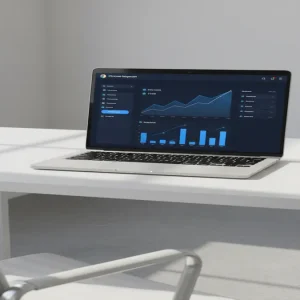
A Notion OS is a comprehensive, interconnected workspace designed to manage specific business functions. Unlike a basic to-do list, an OS integrates databases, automated reminders, and custom dashboards. It serves as the central nervous system for a company, connecting their internal communications, task tracking, and financial reporting.
Why This Niche is Exploding
Remote work isn’t going away, but team burnout is at an all-time high. Companies are desperate for systems that reduce the ‘digital clutter’ of switching between five different apps. When your template saves a team of ten people even one hour per week, the ROI is massive, making your $500 price point feel like a bargain to them.
How to Build and Launch Your First OS
You don’t need to be a coding genius to start. If you understand how databases and filters work, you are already ahead of 90% of the market.
Step 1: Identify a Specific Pain Point
Don’t build a ‘general’ workspace. Build a ‘Content Agency Client Portal’ or a ‘Real Estate Listing Tracker.’ The more specific your niche, the higher the price you can charge. Start by interviewing one or two business owners about their biggest daily bottleneck.
Step 2: Prototype Your Logic
Create your databases first. Ensure that your tasks, projects, and contacts relate to one another using Notion’s ‘Relation’ and ‘Rollup’ features. This is the ‘engine’ of your product, and it’s what justifies the premium price tag.
Step 3: Design for User Experience
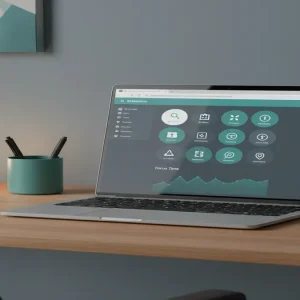
Even the best system will fail if it’s ugly. Use clean layouts, clear navigation menus, and intuitive dashboards. Think about how a new employee would feel logging in for the first time—it should be welcoming and obvious where to click.
Step 4: Create a Video Walkthrough
People are intimidated by complex setups. Record a 10-minute Loom video explaining how to use your system. This video acts as your sales asset, proving the value before they even purchase the file.
Step 5: Launch on Dedicated Marketplaces
List your product on platforms like Gumroad or Notionery. These sites already have traffic looking for exactly what you’ve built. Use social media platforms like X or LinkedIn to show ‘before and after’ screenshots of your workspace.
Earnings Potential and Timeline
Realistically, a high-quality, niche-specific Notion OS can sell for $150 to $750 per copy. If you sell just four units a month, you are looking at an extra $600 to $3,000 in monthly passive income. Your first dollar can be earned within 30 days if you focus on a specific, high-demand niche like marketing agencies or e-commerce brands.
The Investment Required
- Time: 20-40 hours for the initial build and testing.
- Money: $0 to start, though a paid Notion plan ($10/mo) helps with file sharing.
- Skill Level: Intermediate (requires understanding of database relations).
Essential Tools for Your Success
To scale, you need to treat this like a real business. Here are the tools you’ll need:
- Notion: Your primary development environment.
- Loom: For creating your sales and onboarding videos.
- Gumroad: To handle payments, file delivery, and email marketing.
- Canva: To design professional product mockups and thumbnails.
Common Mistakes to Avoid
Over-Complicating the Setup
If your system takes a week to learn, nobody will use it. Keep the architecture robust but the user interface simple. If a user has to ask you more than three questions to get started, your system is too complex.
Ignoring Mobile Responsiveness
Many remote workers manage tasks from their phones. If your dashboard looks broken on a mobile screen, you will lose customers. Always test your views on both desktop and mobile layouts.
Failing to Collect Feedback
Your first version is rarely perfect. Use the feedback from your first five customers to refine your databases. Update your template, and you can release a ‘2.0’ version later, creating an opportunity for repeat sales.
Final Thoughts
Building a Notion Operating System is one of the few ways to create a high-ticket asset without needing inventory or expensive software subscriptions. You are solving a genuine business problem, which is the fastest path to sustainable income online. Stop waiting for the perfect idea and go ask one business owner what their biggest organizational headache is today. Build that solution, package it, and put it on Gumroad. Your first sale is waiting.