The Evolution of the Modern Workplace
In the last few years, the concept of the ‘office’ has undergone a radical transformation. No longer confined to grey cubicles and long commutes, millions of professionals have transitioned to a more flexible model. However, remote work productivity remains a significant challenge for many. While the freedom is liberating, the lack of structure can lead to procrastination, burnout, and a blurred line between personal and professional life.
In this comprehensive guide, we will explore the essential strategies, tools, and mindsets required to thrive in a remote environment. Whether you are a seasoned freelancer or a corporate employee working from home, these insights will help you maximize your output while maintaining your well-being.
1. Designing Your Optimal Home Office Workspace
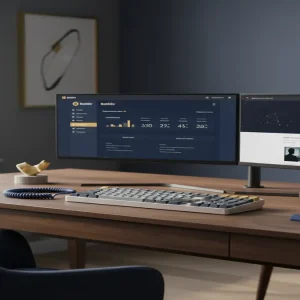
Your environment plays a critical role in your ability to focus. You cannot expect peak performance if you are working from a cluttered kitchen table or a soft couch that encourages napping. To optimize your remote work productivity, you need a dedicated space.
Ergonomics and Comfort
- Invest in a Quality Chair: Your back will thank you. Look for adjustable lumbar support.
- Monitor Height: Your screen should be at eye level to prevent neck strain.
- Lighting: Natural light is best for reducing eye fatigue and boosting mood. If that’s not possible, use warm LED desk lamps.
Eliminating Distractions
Identify what breaks your flow. Is it the television? The laundry? High-quality noise-canceling headphones can be a game-changer if you live in a noisy household. Setting clear physical boundaries—like a closed door—signals to others that you are in ‘work mode’.
2. Essential Time Management Techniques
Without a manager hovering nearby, self-discipline is your greatest asset. High achievers use specific frameworks to manage their hours effectively.
The Pomodoro Technique
This involves working for 25 minutes followed by a 5-minute break. After four cycles, take a longer break. This prevents mental fatigue and keeps your brain sharp throughout the day.
Time Blocking
Instead of a simple to-do list, schedule specific blocks of time in your calendar for specific tasks. For example, 9:00 AM to 11:00 AM might be reserved for deep work, while 2:00 PM to 3:00 PM is for emails and administrative tasks. [Internal Link Suggestion: See our guide on the best digital calendars for 2024]
Eat the Frog
Coined by Mark Twain and popularized by Brian Tracy, this concept suggests doing your most difficult and important task first thing in the morning. Once the ‘frog’ is eaten, everything else will seem easy by comparison.
3. Digital Tools to Boost Your Workflow
The right tech stack can automate mundane tasks and streamline communication. Here are the categories of tools every remote worker needs:
- Project Management: Tools like Asana, Trello, or Monday.com help you visualize your progress and deadlines.
- Communication: Slack or Microsoft Teams are essential for real-time collaboration, but be careful of ‘notification fatigue’.
- Cloud Storage: Google Drive or Dropbox ensures your files are accessible from anywhere and safely backed up.
- Focus Apps: Apps like Forest or Freedom can block distracting websites like social media during work hours.
4. Maintaining Work-Life Boundaries
Perhaps the biggest risk of remote work is the ‘always-on’ culture. When your office is your home, it’s easy to find yourself answering emails at 9:00 PM. This is a fast track to burnout.
Establish a ‘Commute’ Ritual
Even if it’s just a 10-minute walk around the block or a morning yoga session, create a ritual that signals the start and end of your workday. This mental shift is crucial for psychological health.
Set Firm ‘Off’ Times
Communicate your working hours to your team and stick to them. Turn off Slack notifications after 6:00 PM. Respecting your own boundaries teaches others to respect them too. [Internal Link Suggestion: How to avoid digital burnout in a remote world]
5. Communication Strategies for Distributed Teams
Communication in a remote setting requires more intentionality than in an office. You lose the nuances of body language and the spontaneity of water-cooler chats.
Asynchronous vs. Synchronous Communication
Synchronous (Zoom, phone calls) is great for brainstorming and urgent issues. However, asynchronous communication (email, recorded Loom videos, project comments) allows people to work in their own flow states without constant interruptions. Aim for a balance that favors deep work.
The Power of Over-Communication
When in doubt, explain more. Since your manager can’t see you working, providing regular status updates builds trust and ensures everyone is aligned on project goals.
6. Overcoming Common Challenges
Remote work isn’t always easy. Loneliness and sedentary behavior are common pitfalls.
Combatting Isolation
Social interaction is a human need. Schedule ‘virtual coffee chats’ with colleagues that aren’t about work. Consider working from a co-working space once a week to be around other people.
Prioritizing Physical Health
It is easy to sit for 8 hours straight. Use a standing desk or set a timer to stretch every hour. Physical movement is directly linked to cognitive function; a short walk can often solve a creative block that an hour of staring at a screen couldn’t.
Conclusion: Thriving in the New Era of Work
Mastering remote work productivity is not a one-time event but a continuous process of refinement. By creating a dedicated workspace, utilizing time management frameworks, and setting strict boundaries, you can enjoy the benefits of flexibility without sacrificing your career growth or mental health.
As we move further into 2024, the most successful professionals will be those who treat remote work as a skill to be mastered. Start by implementing just two of the strategies mentioned above this week, and observe how your focus and energy levels transform.
Ready to take your career to the next level? Stay tuned for our next post on advanced digital networking for remote professionals.