The Evolution of the Modern Workplace
In recent years, the professional landscape has undergone a seismic shift. Remote work, once a luxury reserved for freelancers and tech startups, has become a standard operating procedure for millions globally. While the benefits of skipping the commute and wearing comfortable attire are obvious, many professionals struggle with a new set of challenges: maintaining remote work productivity, avoiding burnout, and separating their professional and personal lives.
This comprehensive guide explores actionable strategies to help you thrive in a virtual environment. Whether you are a seasoned digital nomad or a newcomer to the home office, these insights will help you optimize your workflow and protect your mental well-being. [Internal Link: Explore our guide on career growth in the digital age]
1. Creating a High-Performance Workspace
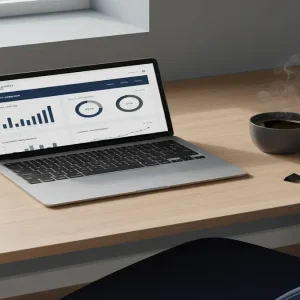
Your environment dictates your output. Working from your bed or couch might seem appealing, but it often leads to physical discomfort and mental sluggishness. To maximize efficiency, you must curate a space that signals ‘work mode’ to your brain.
Ergonomics and Comfort
Investing in your physical health is a prerequisite for long-term productivity. Consider the following essentials:
- Ergonomic Chair: Look for lumbar support and adjustable height to prevent back pain.
- Monitor Placement: Your screen should be at eye level to reduce neck strain.
- Natural Lighting: Positioning your desk near a window can boost mood and Vitamin D levels.
Minimizing Distractions
Distractions are the greatest enemy of deep work. If possible, choose a room with a door that closes. Use noise-canceling headphones to drown out household sounds, and keep your desk clutter-free to reduce visual distractions.
2. Time Management Strategies for Remote Professionals
Without the structure of a traditional office, it is easy for the day to slip away or, conversely, for work to bleed into the late hours of the night. Mastering your schedule is the key to sustainable productivity.
The Power of Time Blocking
Time blocking involves dividing your day into specific slots dedicated to specific tasks. Instead of a never-ending to-do list, you assign a ‘home’ for every activity. For example:
- 09:00 – 10:30: Deep Work (High-priority projects)
- 10:30 – 11:00: Email and Communication
- 11:00 – 12:30: Collaborative Meetings
- 13:30 – 15:00: Creative Tasks
The Pomodoro Technique
If you find it hard to focus for long periods, try the Pomodoro Technique. Work for 25 minutes, then take a 5-minute break. After four cycles, take a longer 15-30 minute break. This rhythm keeps your brain refreshed and prevents ‘zoom fatigue’.
3. Essential Digital Tools for Remote Success
Technology is the backbone of remote work. Utilizing the right stack of tools can streamline communication and project tracking. [Internal Link: Top 10 software tools for small business management]
Project Management and Collaboration
Tools like Trello, Asana, and Monday.com allow teams to visualize progress without constant status meetings. These platforms ensure everyone knows their responsibilities and deadlines, reducing the need for ‘check-in’ emails.
Communication Etiquette
In a remote setting, over-communication is often better than under-communication. Use Slack or Microsoft Teams for quick queries, but reserve video calls for complex discussions where tone and body language are important. Remember to set your status to ‘Away’ or ‘Do Not Disturb’ when you are in a flow state.
4. Maintaining Boundaries and Work-Life Balance
One of the most significant risks of remote work is the ‘always-on’ culture. When your office is in your home, it is difficult to truly ‘leave’ work.
The ‘Digital Sunset’
Establish a hard cutoff time for work. At 6:00 PM (or whenever your shift ends), close your laptop, turn off work notifications on your phone, and step away from your desk. This creates a psychological boundary that allows your brain to transition into relaxation mode.
The Importance of Physical Movement
In an office, you naturally move between meeting rooms or walk to lunch. At home, you might stay sedentary for hours. Incorporate movement into your day:
- Take a morning walk to simulate a commute.
- Use a standing desk for part of the day.
- Perform 5-minute stretches between meetings.
5. Networking and Professional Growth from Afar
Remote work shouldn’t mean professional isolation. To grow your career, you must remain visible within your organization and industry.
Virtual Coffee Chats
Schedule 15-minute informal video calls with colleagues once a week. Use this time to talk about things other than projects. This builds the social capital that is often lost when we move away from physical offices.
Continuous Learning
Use the time saved from commuting to invest in your skills. Online platforms like LinkedIn Learning, Coursera, or industry-specific webinars can keep you ahead of the curve. [Internal Link: Why continuous learning is vital for 2024]
Conclusion: Embracing the Future of Work
Remote work is a skill that takes time to master. By creating a dedicated workspace, implementing strict time management techniques, and prioritizing your mental health, you can enjoy the flexibility of home-based work without sacrificing your productivity or happiness. The future of work is not about where you sit, but how you manage your energy and output. Stay disciplined, stay connected, and most importantly, stay balanced.