The Evolution of the Modern Workspace
The landscape of professional life has undergone a seismic shift over the last few years. What was once a temporary solution to global lockdowns has evolved into a permanent fixture of the modern economy. Remote work productivity is no longer just a buzzword; it is a critical skill set that determines the success of millions of professionals worldwide. However, working from home comes with a unique set of challenges, from the blurring lines between personal and professional life to the constant lure of domestic distractions.
To thrive in a virtual environment, one must move beyond simply having a laptop and a Wi-Fi connection. It requires a strategic approach to time management, environment design, and mental well-being. In this comprehensive guide, we will explore ten proven strategies to help you master the art of working from home and achieve peak performance in 2024.
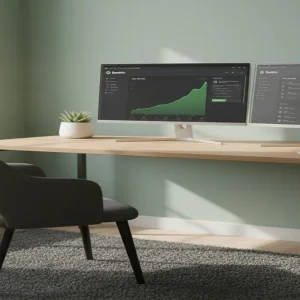
1. Designate a Dedicated, Ergonomic Workspace
One of the biggest enemies of remote work productivity is the lack of physical boundaries. Working from your bed or the sofa might seem comfortable initially, but it often leads to back pain and a psychological inability to ‘switch off’ at the end of the day.
- Invest in Ergonomics: A high-quality chair with lumbar support and a desk at the correct height are non-negotiable for long-term health.
- Lighting Matters: Position your desk near a window to leverage natural light, which is proven to boost mood and energy levels.
- The ‘Work Only’ Zone: Train your brain to associate a specific area of your home exclusively with professional tasks.
[Internal Link: Check out our guide on the best home office setups for 2024]
2. Master the Art of the ‘Deep Work’ Schedule
In a world of Slack notifications and endless emails, shallow work often eats up our most productive hours. Cal Newport’s concept of ‘Deep Work’—the ability to focus without distraction on a cognitively demanding task—is essential for remote workers.
To implement this, try time-blocking your calendar. Dedicate 2-3 hour chunks in the morning, when your brain is freshest, to your most difficult projects. During these blocks, turn off all notifications and inform your team that you are ‘heads down’ on a task.
3. Use Technology to Your Advantage
While technology can be a distraction, the right tools are the backbone of efficient remote operations. To stay organized, you should leverage a robust tech stack:
- Project Management: Tools like Asana, Trello, or Monday.com help track deadlines and project milestones.
- Communication: Slack and Microsoft Teams are great for quick syncs, but ensure you set ‘Do Not Disturb’ hours.
- Focus Apps: Use tools like Forest or Focus@Will to keep your mind from wandering to social media.
4. Establish a Consistent Morning Routine
The way you start your day sets the tone for your productivity. Without a commute, many remote workers fall into the trap of waking up five minutes before their first meeting. This ‘sleep-to-screen’ habit often results in a sluggish start.
Create a morning routine that signals to your brain that the workday has begun. This could include a 15-minute walk, a healthy breakfast, or 10 minutes of journaling. By mimicking a ‘commute’ through a physical or mental activity, you prepare your mind for professional engagement.
5. Set Clear Boundaries with Household Members
Working from home often means navigating the presence of family members, roommates, or pets. Without clear communication, interruptions can derail your focus. Have a transparent conversation with those you live with about your working hours.
Pro Tip: Use a visual cue, such as a closed door or a specific sign, to indicate when you are in a meeting or deep focus mode and should not be disturbed unless it is an emergency.
6. Prioritize Physical Movement and Nutrition
When your office is only a few steps from your bedroom, it is easy to become sedentary. Physical activity is directly linked to cognitive function and remote work productivity. Incorporate ‘movement snacks’ throughout your day—five minutes of stretching, a quick set of air squats, or a walk around the block.
Furthermore, avoid ‘desktop dining.’ Taking a proper lunch break away from your screen allows your brain to recharge, preventing the mid-afternoon slump that plagues so many office workers.
7. The Power of Asynchronous Communication
Not every question requires a Zoom call. Video conferencing fatigue is real and can significantly drain your energy. Encourage your team to embrace asynchronous communication. Use recorded video messages (like Loom) or detailed written updates to convey information that doesn’t require real-time feedback. This respects everyone’s ‘Deep Work’ time and reduces the number of context-switching interruptions.
8. Tackle the ‘Frog’ First
Based on Mark Twain’s famous advice, ‘Eat a live frog first thing in the morning and nothing worse will happen to you the rest of the day.’ In the context of work, your ‘frog’ is your most important, and often most dreaded, task.
By completing your most difficult task first, you gain a sense of accomplishment and momentum. This prevents the anxiety of procrastination from hanging over you for the rest of the day, making your afternoon tasks feel significantly lighter.
9. Implement a ‘Shutdown Ritual’
One of the biggest risks of remote work is burnout caused by never truly leaving the office. To combat this, create a ‘shutdown ritual’ at the end of your workday. This might involve:
- Reviewing your to-do list for the next day.
- Closing all unnecessary browser tabs.
- Physically tidying your desk.
- Saying out loud, “Work is done for the day.”
This ritual provides the psychological closure needed to transition into your personal life and fully relax.
10. Combat Isolation with Social Interaction
Human beings are social creatures, and the lack of ‘watercooler talk’ can lead to feelings of isolation and loneliness. To maintain your mental health, proactively schedule social interactions. This could be a virtual coffee chat with a colleague, joining a professional co-working group, or ensuring you have social plans outside of work hours.
Conclusion: Consistency is Key
Mastering remote work productivity is not about achieving perfection every day; it is about building sustainable habits that support your professional goals and personal well-being. By optimizing your environment, leveraging the right tools, and protecting your time, you can enjoy the freedom of remote work without sacrificing your output.
As we move further into 2024, the ability to manage oneself in a decentralized work environment will be one of the most valuable assets any professional can possess. Start by implementing just two or three of these strategies this week, and observe the impact on your focus and fulfillment.
[Internal Link: Subscribe to our newsletter for more career growth tips]