The Evolution of the Modern Workspace
The landscape of professional environments has undergone a seismic shift over the last few years. What was once a temporary solution for many has now become a permanent fixture: remote work. However, as the novelty wears off, many professionals find themselves struggling with a specific set of challenges—distractions, isolation, and the blurring lines between personal and professional life. To succeed, one must master remote work productivity through intentional habits and structured systems.
Whether you are a seasoned freelancer, a digital nomad, or a corporate employee working from home, staying productive requires more than just a fast internet connection. It requires a psychological shift and a tactical approach to managing your time and energy. In this comprehensive guide, we will explore ten proven strategies to help you reclaim your focus and excel in a remote environment.
1. Designate a Professional Workspace
One of the biggest pitfalls of working from home is the temptation to work from the couch or even from bed. While this might seem comfortable, it can be detrimental to your focus and physical health. Establishing a dedicated workspace sends a signal to your brain that it is time to shift from “home mode” to “work mode.”
Ergonomics and Comfort
Invest in a high-quality ergonomic chair and a desk at the correct height. Proper posture reduces fatigue and prevents long-term injury. If possible, choose a room with natural light, as studies show that sunlight can significantly boost mood and energy levels.
- Minimize Clutter: A clean desk leads to a clean mind.
- Add Greenery: Small plants can improve air quality and reduce stress.
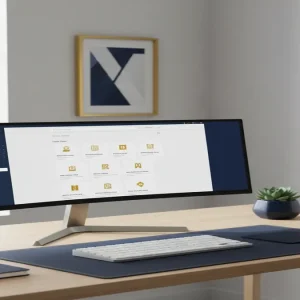
- Equip Yourself: Ensure you have all the necessary peripherals, like a secondary monitor or a mechanical keyboard, to optimize your workflow.
2. Master the Art of Time Blocking
Without the natural rhythm of an office environment, hours can easily slip away. Time blocking is a productivity technique where you divide your day into specific blocks of time, each dedicated to a particular task or group of tasks.
Instead of working from a never-ending to-do list, you schedule every minute of your day. This prevents multitasking and ensures that your most important projects get the “deep work” attention they deserve. [Internal Link Suggestion: Link to an article about Deep Work vs. Shallow Work]
3. Use the Pomodoro Technique
Maintaining high levels of concentration for eight hours straight is impossible. The Pomodoro Technique involves working in short, focused bursts (usually 25 minutes) followed by a short break (5 minutes). After four cycles, take a longer break of 15-30 minutes.
- Choose a task to accomplish.
- Set a timer for 25 minutes.
- Work on the task until the timer rings.
- Take a short break.
- Every four “pomodoros,” take a longer break.
4. Establish Clear Boundaries with Household Members
If you share your living space with family or roommates, interruptions are inevitable unless you set clear boundaries. Communicate your schedule to those around you. Let them know when you are in “deep focus” mode and should only be interrupted for emergencies.
Some remote workers use visual cues, like a closed door or a specific light, to signal that they are in a meeting or focusing on a high-priority task.
5. Leverage High-Performance Digital Tools
The right tech stack can make or break your remote work experience. To maintain remote work productivity, you need tools that facilitate communication, project management, and focus.
- Project Management: Tools like Trello, Asana, or Monday.com help keep track of deadlines and deliverables.
- Communication: Slack and Microsoft Teams are essential for staying connected with your colleagues without the need for constant emails.
- Focus Apps: Applications like Forest or Freedom can block distracting websites and social media during work hours.
6. Prioritize Your Mental and Physical Health
It is easy to become sedentary when your commute is only a few steps from the bedroom to the kitchen. Physical activity is directly linked to cognitive function. Try to incorporate a 20-minute walk into your morning routine or perform light stretching between meetings.
Furthermore, don’t ignore your mental health. Remote work can be isolating. Scheduling regular “coffee chats” with coworkers or working from a local library once a week can provide the social stimulation needed to stay motivated.
7. The “Eat the Frog” Strategy
Coined by Brian Tracy, the “Eat the Frog” concept suggests that you should tackle your most difficult or unpleasant task first thing in the morning. When you complete your most challenging task early, you gain a sense of accomplishment that carries through the rest of the day, reducing procrastination.
8. Dress for Success (Even at Home)
While you don’t necessarily need to wear a suit, changing out of your pajamas is a powerful psychological trigger. The act of “getting ready” for work helps delineate your day. It prepares your mind for professional interaction and increases your self-esteem, which in turn boosts productivity.
9. Optimize Your Digital Communication
One of the biggest productivity killers in remote work is the “always-on” culture. Constant notifications from Slack or email can disrupt your flow. To combat this, practice asynchronous communication. Check your messages at set intervals rather than reacting to every ping instantly.
When sending messages, be clear and concise. Use bullet points and provide all necessary context to minimize back-and-forth communication. [Internal Link Suggestion: Link to a guide on Effective Remote Communication]
10. Create a Definitive “End of Day” Routine
When you work where you live, it is hard to “turn off.” Many remote workers find themselves checking emails late into the evening, leading to burnout. Create a ritual that signals the end of the workday.
This could be closing your laptop, tidying your desk, or writing a to-do list for the following day. Once the ritual is complete, step away from your workspace and commit to personal time. This separation is crucial for long-term sustainability in a remote role.
Conclusion: Consistency is Key
Boosting remote work productivity isn’t about finding a single “magic” trick; it’s about building a system of habits that support your goals. By creating a dedicated space, managing your time effectively, and utilizing the right tools, you can achieve a level of focus that often surpasses traditional office environments.
Start by implementing just two or three of these strategies this week. Observe how they impact your workflow, and gradually incorporate the rest. Remote work is a skill—and like any skill, it takes practice to master. Stay disciplined, stay healthy, and enjoy the freedom that comes with a productive remote career.