Introduction: The New Frontier of Professional Efficiency
The landscape of the modern workplace has undergone a seismic shift. What was once a temporary necessity has blossomed into a permanent lifestyle for millions. However, as the novelty of working in pajamas wears off, many professionals are finding it increasingly difficult to maintain the same level of output they once achieved in a traditional office setting. Remote work productivity is not just about doing more work; it’s about creating a sustainable system that balances professional excellence with personal well-being.
In this comprehensive guide, we will explore ten actionable strategies designed to supercharge your efficiency, minimize distractions, and help you reclaim your time. Whether you are a seasoned digital nomad or a corporate employee transitioning to a hybrid model, these tips will provide the roadmap you need to thrive in 2024 and beyond.
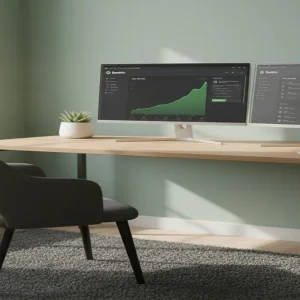
1. Designate a Dedicated Professional Workspace
One of the biggest enemies of productivity is the blurring of lines between where you relax and where you work. To prime your brain for deep work, you must create a physical boundary.
Ergonomics and Comfort
Investing in a high-quality ergonomic chair and a desk at the correct height is not a luxury—it is a physiological necessity. Poor posture leads to fatigue and chronic pain, both of which are productivity killers. (Internal Link Suggestion: See our guide on ‘The Best Ergonomic Office Furniture for 2024’).
Minimize Visual and Auditory Distractions
- Use noise-canceling headphones to block out household sounds.
- Ensure your workspace is well-lit, preferably with natural light.
- Keep your desk clutter-free to reduce mental load.
2. Master the Art of Time Blocking
To-do lists are often where productivity goes to die because they lack context. Time blocking involves scheduling specific blocks of time for specific tasks in your calendar. This transforms your list from a wish-list into a concrete plan of action.
- Identify your high-priority tasks (the ‘Big Rocks’).
- Assign them to your most energetic hours (usually the morning).
- Schedule ‘buffer time’ between meetings to process information.
3. Implement the Pomodoro Technique
Our brains are not wired to focus for eight hours straight. The Pomodoro Technique encourages working in short, intense bursts followed by brief breaks. Typically, this means 25 minutes of focused work followed by a 5-minute break. This rhythm keeps the mind fresh and prevents the ‘mid-afternoon slump’ that plagues so many remote workers.
4. Leverage the Right Technology Stack
In a remote environment, your digital tools are your office infrastructure. Using the wrong tools can lead to communication silos and lost data. Ensure your team is aligned on platforms for:
- Project Management: Tools like Trello, Asana, or Monday.com.
- Communication: Slack or Microsoft Teams for quick syncs.
- Documentation: Notion or Google Workspace for collaborative editing.
5. Establish Hard Boundaries Between Work and Life
When your home is your office, it is easy for work to bleed into your evening. Without a physical commute to signal the end of the day, you must create a ‘startup’ and ‘shutdown’ ritual.
This might include a 10-minute walk at 5:00 PM to simulate a commute, or simply closing your laptop and moving it to a different room. Protecting your personal time is essential to preventing burnout, which is the ultimate productivity destroyer.
6. Prioritize ‘Deep Work’ Over ‘Shallow Work’
Cal Newport, author of Deep Work, defines it as professional activities performed in a state of distraction-free concentration that push your cognitive capabilities to their limit. Shallow work includes answering emails, attending unnecessary meetings, and administrative tasks.
To maximize remote work productivity, aim for at least 2 to 4 hours of deep work daily. During this time, turn off all notifications and close non-essential browser tabs.
7. Practice ‘Eat the Frog’
The concept of ‘Eating the Frog’ means tackling your most difficult or dreaded task first thing in the morning. Once the hardest task is complete, the rest of the day feels significantly more manageable. This prevents the psychological weight of procrastination from slowing you down throughout the afternoon.
8. Optimize Your Digital Communication
The absence of ‘water cooler talk’ often leads to an explosion of unnecessary meetings. To reclaim your schedule:
- Default to Asynchronous: If a question can be answered via email or Slack, don’t schedule a meeting.
- Set Clear Agendas: Never join a meeting without a predefined objective.
- Record Meetings: For team members in different time zones, recording meetings allows them to stay informed without disrupting their sleep schedules.
9. Don’t Neglect Physical Health and Nutrition
Your brain is a biological organ. If you feed it junk food and deny it movement, it will underperform. Remote workers are particularly prone to sedentary behavior.
Tips for Physical Vitality:
- Stay hydrated; keep a water bottle on your desk at all times.
- Take ‘movement snacks’—short 2-minute stretches every hour.
- Prep healthy lunches in advance to avoid the temptation of fast food.
10. Conduct Weekly Reviews and Adjustments
What gets measured gets improved. At the end of every week, take 15 minutes to review what went well and what didn’t. Did you spend too much time on social media? Were you interrupted by family members? Use these insights to tweak your environment and schedule for the following week.
Conclusion: Consistency Over Perfection
Achieving peak remote work productivity is not a one-time event; it is a continuous process of refinement. By implementing these ten strategies—from optimizing your physical space to mastering deep work—you will find that you can accomplish more in less time, leaving you with more energy for the things that truly matter outside of work.
Start by choosing just two of these tips to implement this week. Once they become habits, layer in the rest. Your future, more productive self will thank you. (Internal Link Suggestion: ‘How to Build Lasting Habits for Professional Success’).